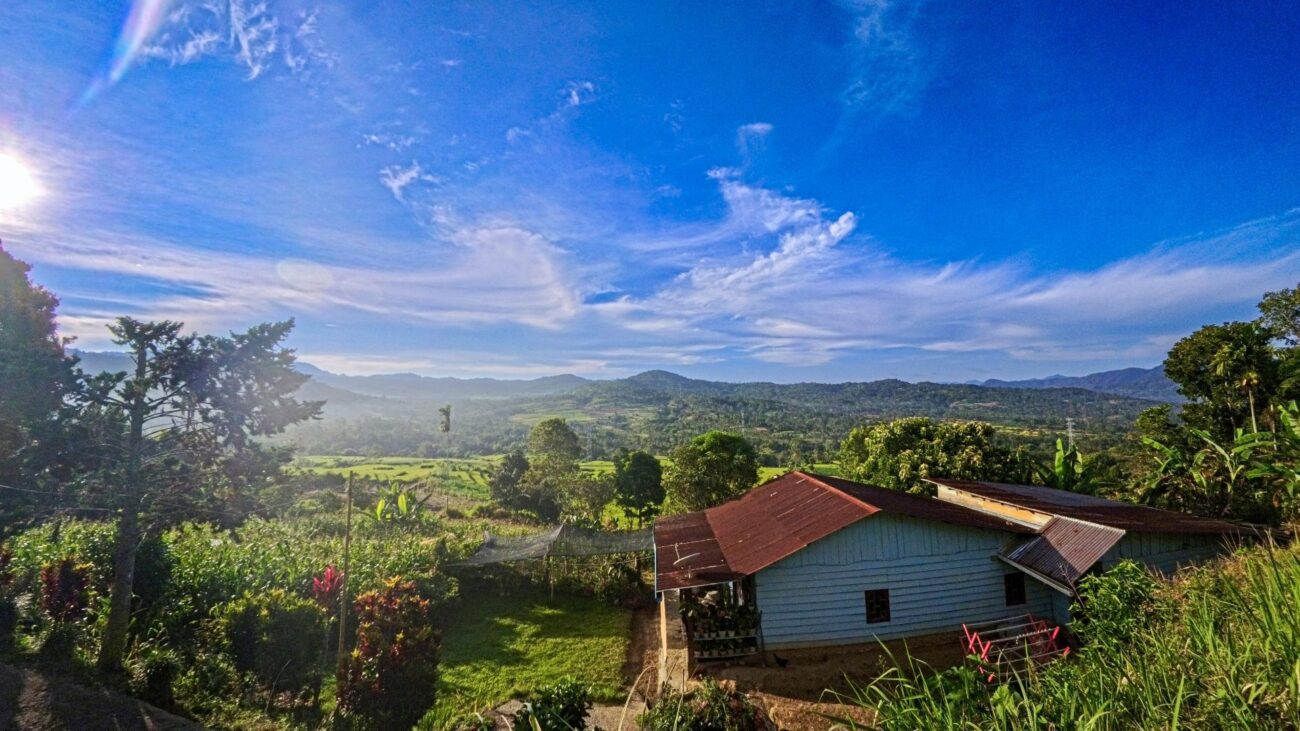
Imagine you live on the edge of a rainforest. For generations, this land has provided your family’s livelihood, wellbeing and identity. One day, you are told the forest is now a protected area for wildlife, and you can no longer use the land. Overnight, your reality and the future of your family has changed.
In this traditional conservation model, you are excluded from ancestral lands, with no alternative way to earn a living. You might be allowed limited access to natural resources under strict rules. But you don’t have a seat at the table: decisions about your home are made by government agencies and Conservation NGOs.
Over time, with no legal rights and no way to dispute these changes, resentment builds. In order to support your family, you may be forced to encroach on the land that you once owned, risking harsh penalties. In this system, conservation feels like a threat, not a partnership.
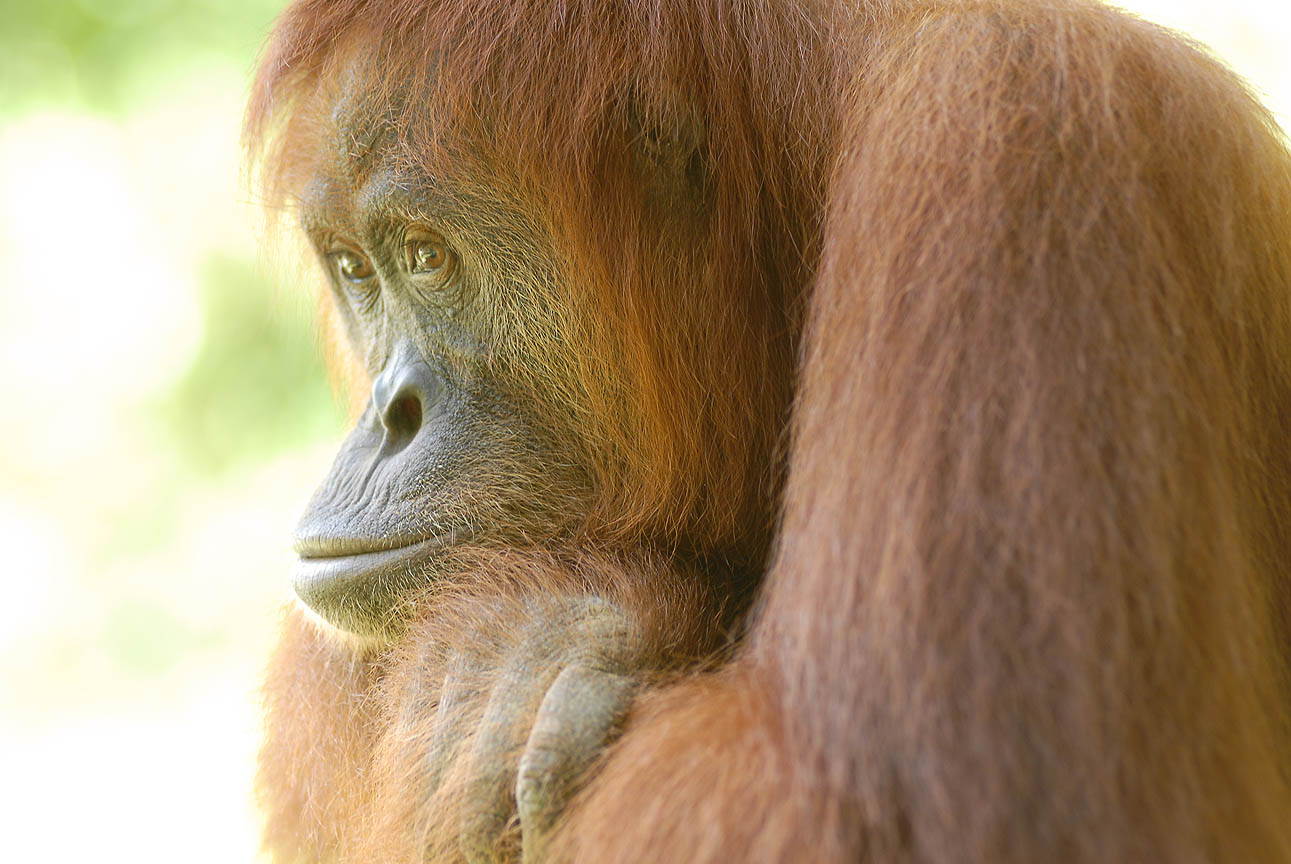
This is the daily reality for many communities living alongside orangutan habitats. But it’s not the only way to do conservation.
Indonesia has emerged as a global leader in addressing such conflicts by championing its innovative Social Forestry schemes. This provides an opportunity for SOS and its partners to promote a rights-based model, whereby the community holds the legal rights to their land. They are the primary decision-makers, with authentic ownership.
Instead of being told what they can or can’t do, communities are supported to build forest-friendly livelihoods and have full agency to decide how the land is managed.
Conservation is no longer imposed upon them, but becomes something they are part of. By restoring agency to these communities, we ensure that the protection of the rainforest is rooted in pride, identity and long-term prosperity.
However, the process isn’t always simple. Land boundaries often overlap and the legal process is long and exhausting. That’s where we and our partners come in. Together, we advocate for the formal, legal recognition of customary land rights, support communities in designing sustainable land-use plans, and deepen expertise in forest management to ensure long-term resilience and success.
Historically, “community-based” conservation has meant little more than communities being granted access to resources or being asked to join projects designed by outsiders. At SOS, we believe that this isn’t enough. Our programmes move beyond participation and embrace authentic community ownership.
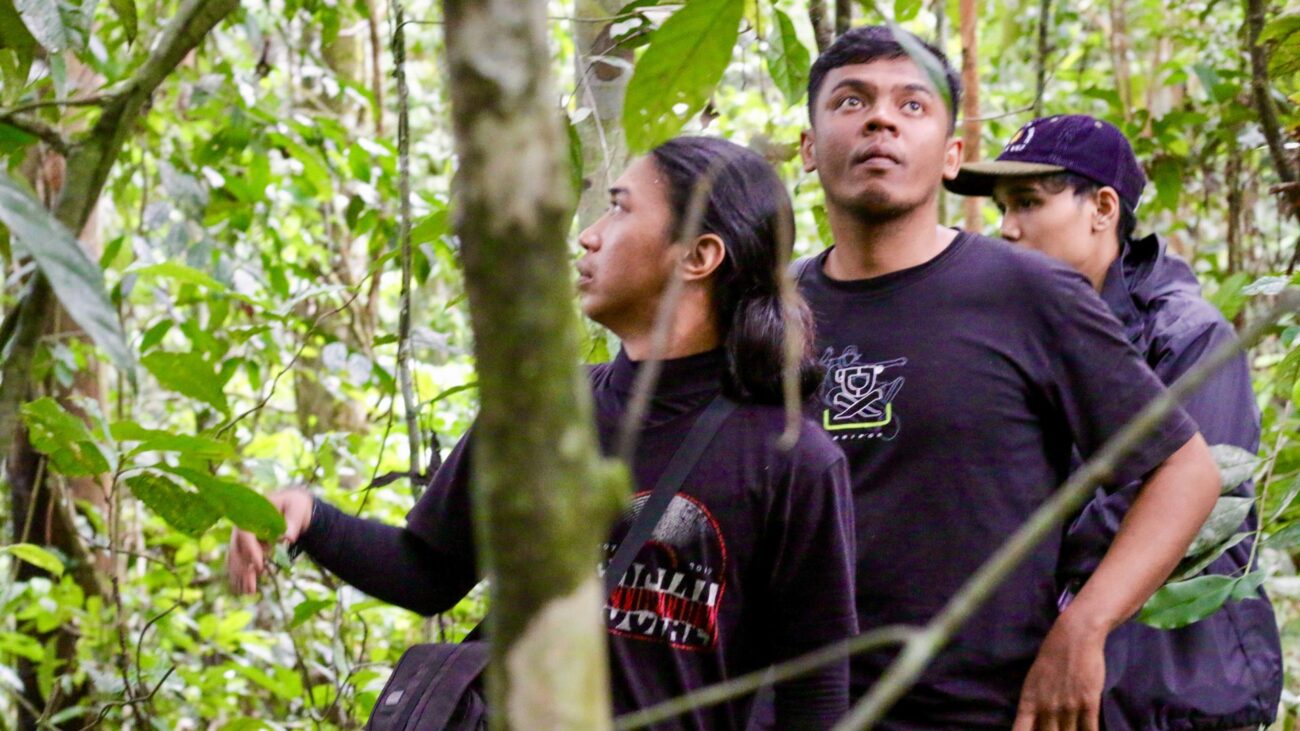
In Sumatra, many communities hold deep historical and customary ties to their land. When these rights are legally recognised, it changes everything. The community transforms from bystanders into forest guardians. However, the move toward agency requires more than just legal status; it requires economic viability.
This is where Result-Based Payments (RBP) serve as a transformative alternative livelihood.
True custodians of the land—the families who patrol the borders and monitor the biodiversity—need to receive direct payments for the environmental services they provide. By rewarding the measurable success of forest protection, we ensure that the “guardians” are not just surviving, but thriving. These payments validate their role as essential service providers to the planet, making forest protection more lucrative than its destruction.
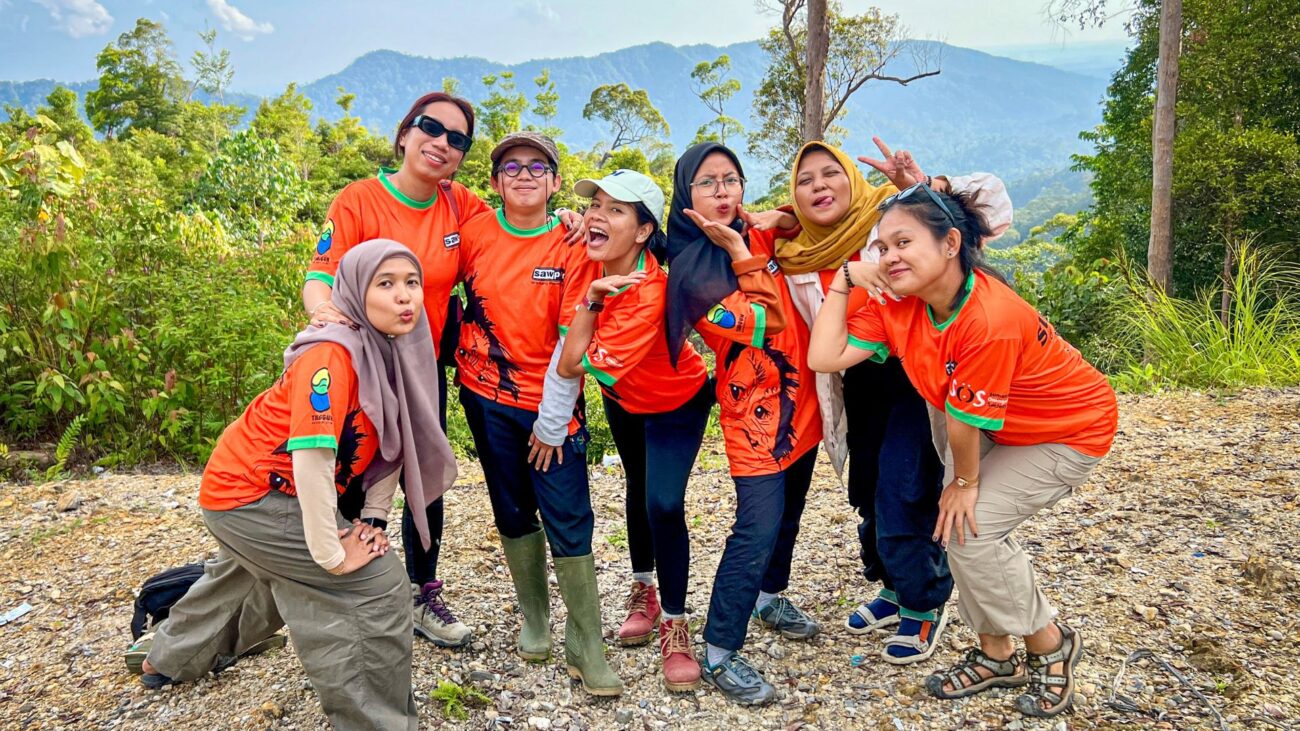
When communities own and manage their natural resources, everyone benefits.
It can be difficult to know whether conservation programmes are community-based or community-centred. But there are some key differences:
We know that authentic community ownership in conservation is the only way to secure long-term conservation success. Simply put, we cannot protect orangutans at the expense of people. To secure a resilient future for Sumatra’s rainforests, we must find solutions that allow both nature and people to thrive. Join us in building that future.
 You can help protect Sumatra's Orangutans. Click to get updates