For many indigenous communities, historic and customary land boundaries were verbally agreed between neighbouring clans. This resulted in overlapping land claims, making legal licensing complex and confusing.
Although a clan may have lived on the same land for generations, without a formal, legal permit, they do not have the authority and agency to protect their ancestral lands from exploitation. With no single community recognised as the legal entity responsible for the land, the forest is left vulnerable. It is open to logging and land-use conversion, such as for large-scale industrial plantations.
Through our partnership with TaHuKah, we support forest-edge communities (like the Solin Tumba) to gain the legal rights to their customary (lebbuh) land. The clan becomes an equal partner with TaHuKah and together, they develop sustainable land use plans. This ensures the forest remains productive and prosperous for the community, without disturbing wildlife.
The Forest Utilization Business Multi-Permit scheme – otherwise known as PBPH – is a government permit that enables communities or companies to manage state forest areas for sustainable, multi‑purpose use.
This represents a shift in how Indonesia’s forests are managed – moving from a model of exclusion to one of inclusive, indigenous stewardship.
By integrating traditional wisdom with modern legal structures, forest-edge communities are granted legal ownership over their ancestral land. For the Solin Tumba clan, this process will formalise their role as the rightful “guardians” of the forest, and unlock sustainable economic growth.
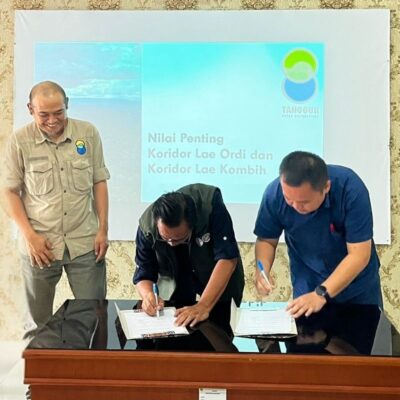
TaHuKah has hosted two community outreach sessions with the Solin Tumba community to open discussions about the PBPH scheme. These meetings are an important step towards legal, sustainable and community-based forest management.
“Forest management is not just about paperwork and permits. It is about shared responsibility to ensure forests remain preserved for future generations.”
“Today’s outreach session was all about how to manage lebbuh wisely and sustainably. From the very start, the community’s enthusiasm was clear. Everyone was tuned in, asking great questions, and engaged in the discussion.”
“When we see the Solin Tumba clan leading these discussions, we know that the forest will be well managed and protected for generations to come – as the land will be in the hands of its rightful guardians.”
“The community’s engagement today ensures that this landscape remains a thriving, protected stronghold for the future.”
– Lina, West Toba Landscape Coordinator
By pursuing the PBPH license, the Solin Tumba community gains a seat at the table. They will be legally recognised as land owners and be regarded as the primary decision-makers in how the forest is managed. This helps the community move beyond timber extraction and logging, and unlocks many income streams that do not require destruction of the forest, such as:
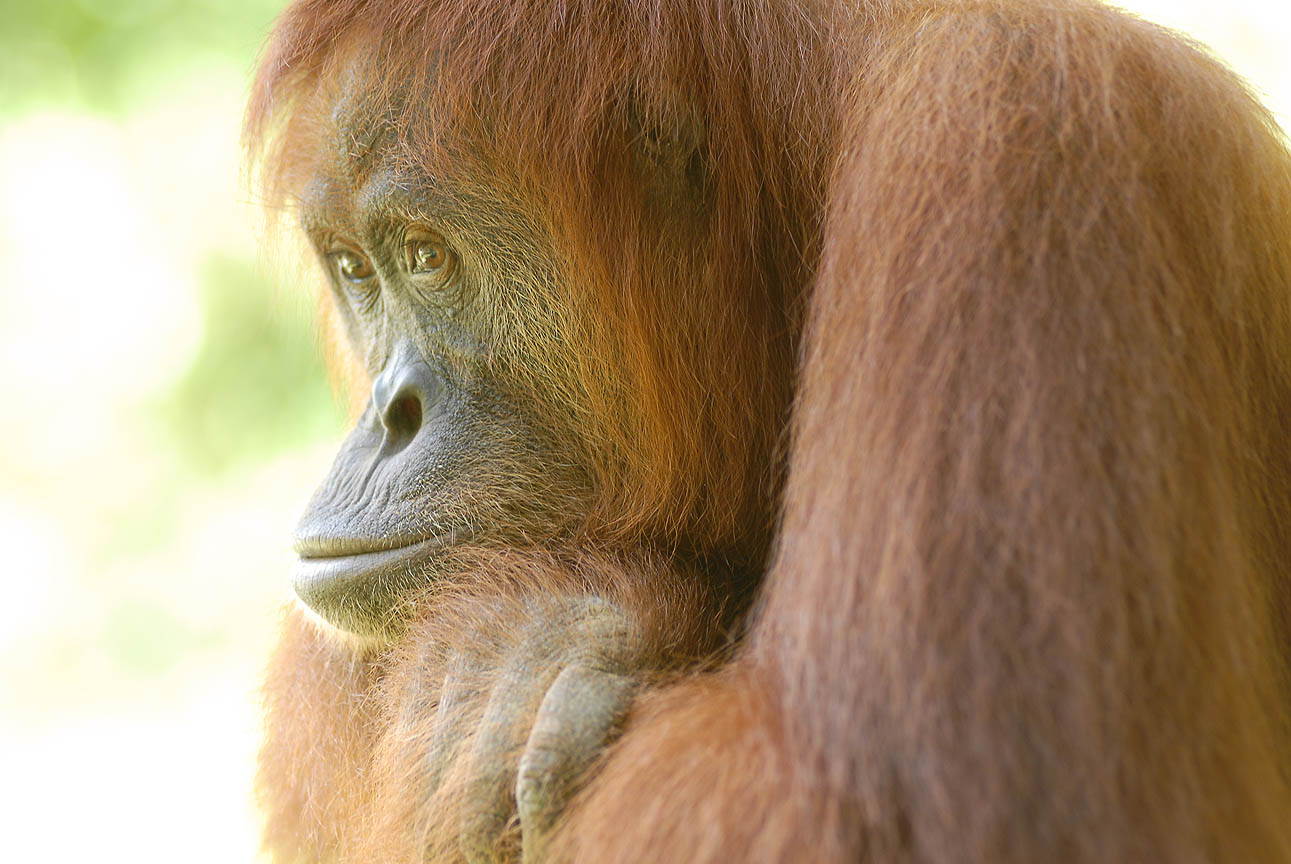
West Toba is home to a vulnerable population of roughly 750 critically endangered Sumatran orangutans. These forests face intense pressure from forest loss and fragmentation; farmlands and roads cut through the forest, leaving orangutans trapped in pockets too small to sustain them.
The Solin Tumba ancestral lands are part of this ever-changing landscape. As legal managers, the community can conduct official patrols. This deters illegal logging and wildlife trafficking, which are some of the primary threats to orangutans.
Additionally, the PBPH license allows the community to maintain “wildlife corridors” needed for orangutans to travel, feed, and find mates. It’s a win-win. The community gets legal rights and economic opportunities, the forest remains standing, meaning that orangutans have a safe and thriving home.
Our programmes with TaHuKah look beyond the immediate future, towards the next generation. The PBPH license scheme ensures that the descendants of Solin Tumba inherit both a legal permit to the land, alongside a living, breathing, and productive ecosystem.
By strengthening governance and legal standing today, the Solin Tumba clan are making sure that their forest remains vibrant and prosperous for generations to come.
“For a long time, we faced a difficult challenge: how to protect our land while respecting the laws of the state forest we live within.”
“We want to manage our ancestral land in a sustainable way, so it remains intact for future generations and as a safe home for the wildlife that shares it with us.”
“The support we’ve received from TaHuKah has allowed us to hold management rights over our customary land but in a way that creates real benefits for the descendants of the Solin Tumba clan.”
“This project provides us the opportunity to respect government policies while continuing to manage our lands in a sustainable manner.”
– Tigan Solin, Customary Elder of the Solin Tumba Clan
 You can help protect Sumatra's Orangutans. Click to get updates