For generations, the Batak Pakpak communities in West Toba lived in harmony with nature. They managed forest resources — timber, farmland, and water — through traditional methods that balanced the community’s needs with cultural practices.
This approach worked because fewer people lived here; by using fallow cycles, they allowed the soil to recover and the natural landscape to thrive. These sustainable practices were not brought in from the outside. Their deep respect for the forest was rooted in centuries of tradition — woven into stories passed down through generations and lived out in the patient rhythm of daily life.
However, recent decades have brought rapid change. Expanded roads now link remote villages to regional markets, and the shift toward a cash economy has made oil palm an attractive alternative to traditional crops.
Today, the land in West Toba is being worked more heavily than before. The Batak Pakpak communities must pursue modern livelihoods and find ways to earn a living in a global market. Not because they have forgotten their traditional wisdom, but because modern survival demands it.
Rikardo and Seddih belong to a generation caught in the middle of this shift. They carry the traditional knowledge passed down by their families, but they have also seen firsthand how modern life often forces a choice between protecting the forest and intensifying its use.
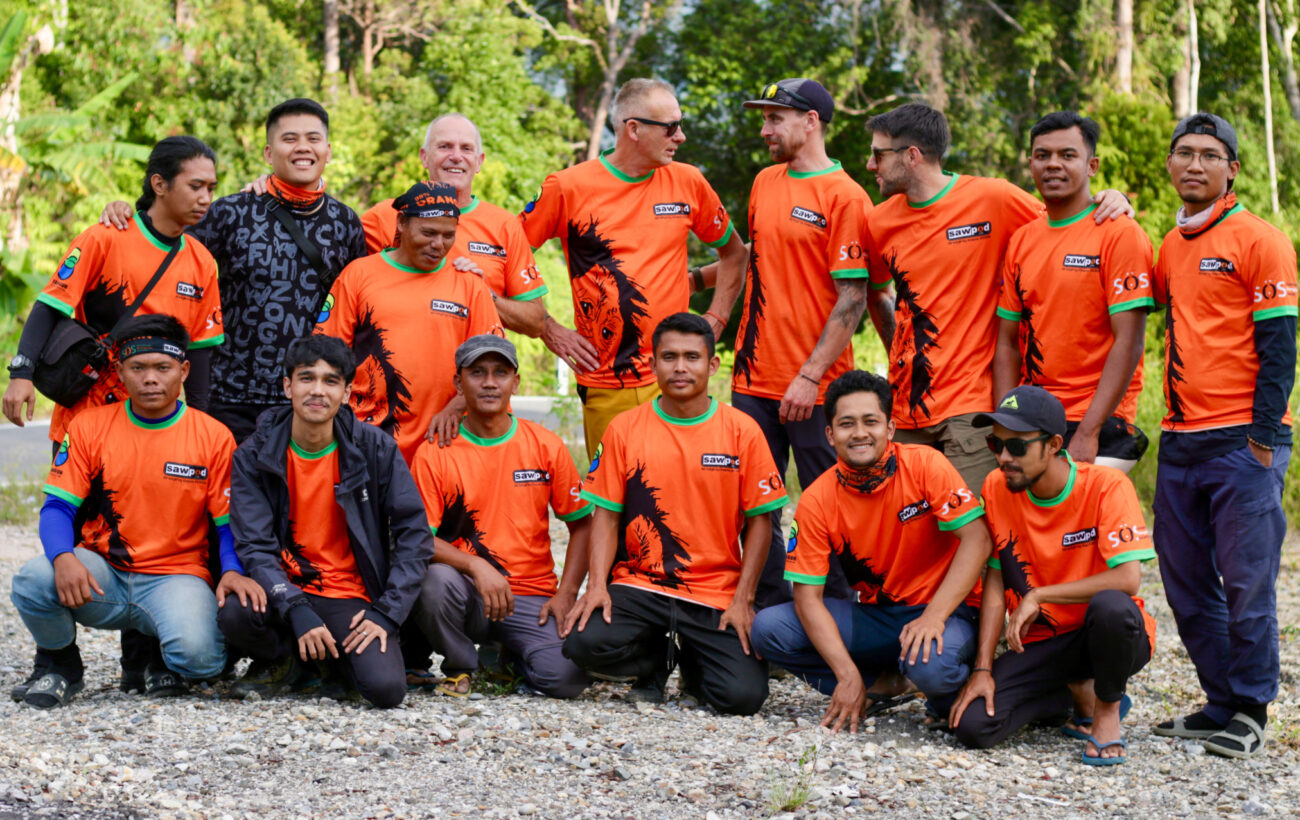
For Rikardo and Seddih, joining TaHuKah was more than just a new job; it was a way to redefine their relationship, as Batak Pakpak people, with the forests of West Toba.
In turn, Rikardo and Seddih bring invaluable experience, voices, and local knowledge to TaHuKah – knowledge that is irreplaceable. Their involvement with TaHuKah proves another important point. In West Toba, protecting the forest is now more valuable than destroying it.
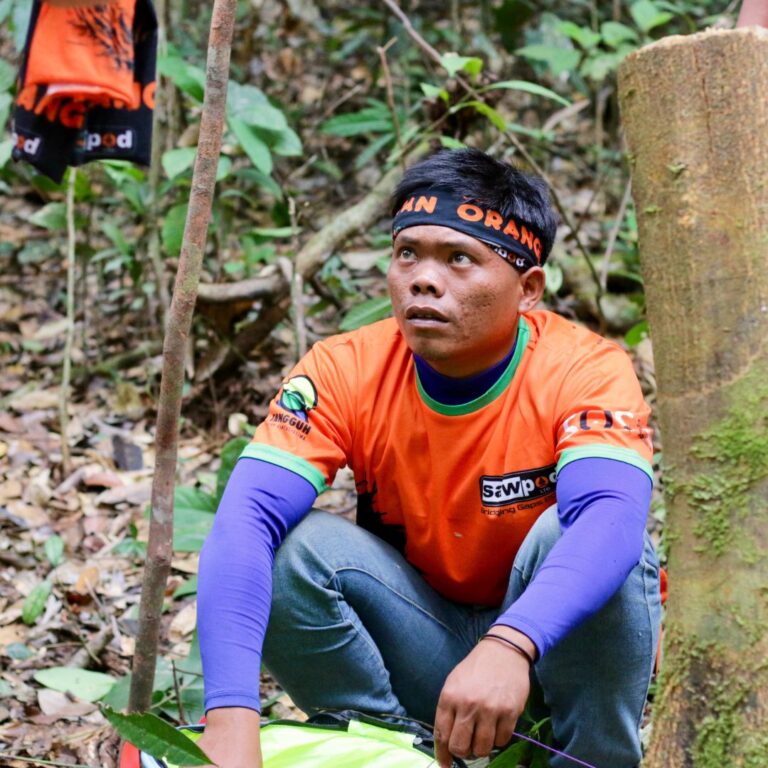
Rikardo (pictured): When my father passed away, I became the eldest son responsible for the family. I worked on our small family oil palm plot as this was our only source of income. But I longed for another path beyond oil palm – not only because it is not good to rely on a single crop, but because I was curious about conservation. I knew there must be a better way. I moved into office administration before joining a training workshop about community forest patrols. It was then I learned that forest protection could be more than just an interest, it could be a way of life.
Seddih: I grew up in Simerpara, a village close to the forest. As a child, the forest trails, rivers, and trees felt like a second home. As I grew up, I had to earn a living, so I entered the forest as a hunter and logger. I used my knowledge of the forest to help me. I knew where the animals crossed and which trees were valuable for logging. When I remember those days, it feels heavy. That was before I entered conservation. I was invited to join the Community Forest Guardians specifically because of my knowledge. Now, as TaHuKah field staff, I use that same knowledge to defend the forest. I used to go into the forest to take; now I go in to protect.
Rikardo: Daily, I often participate in learning activities and help prepare patrol needs, including logistics and equipment.
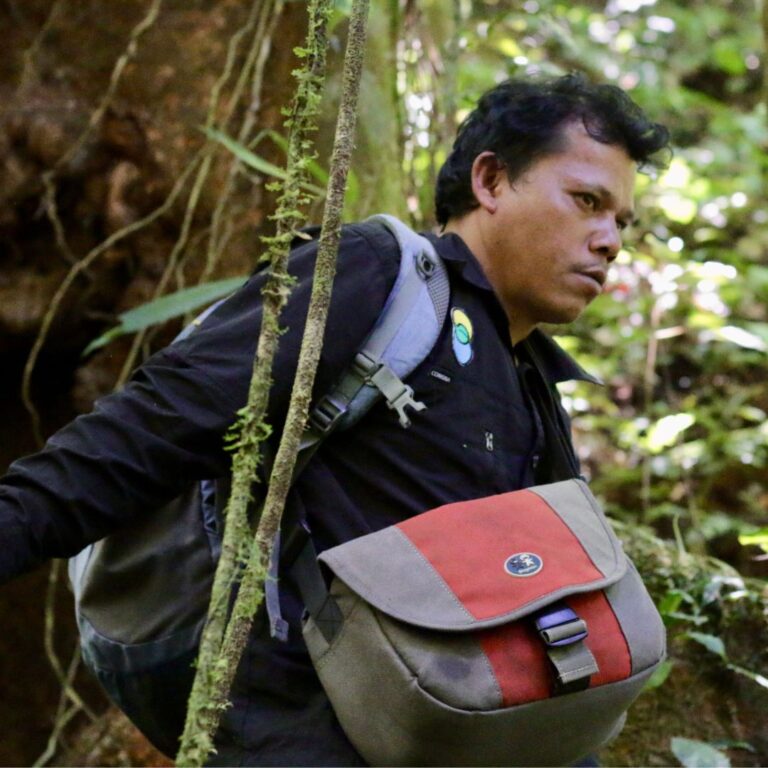
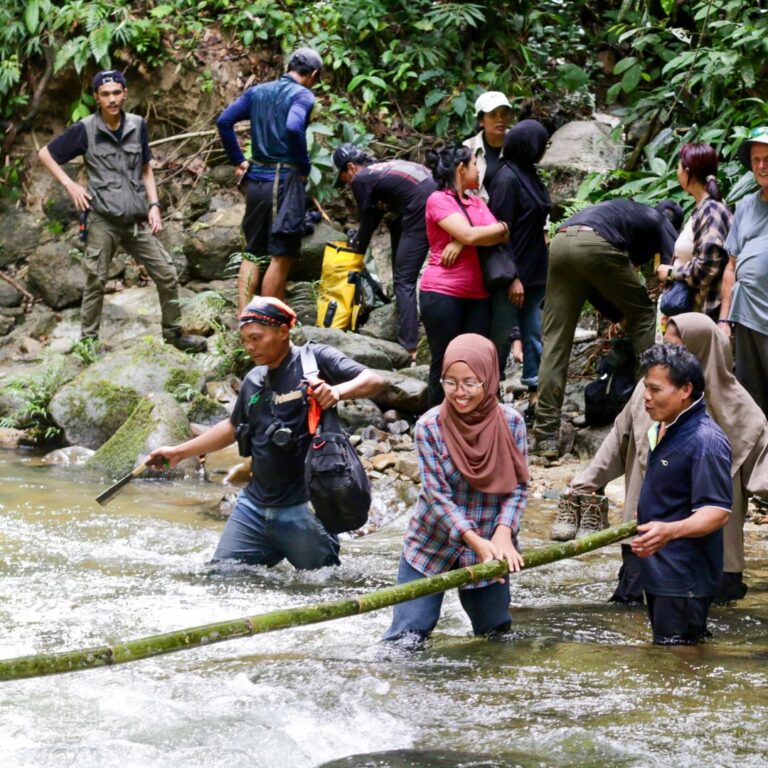
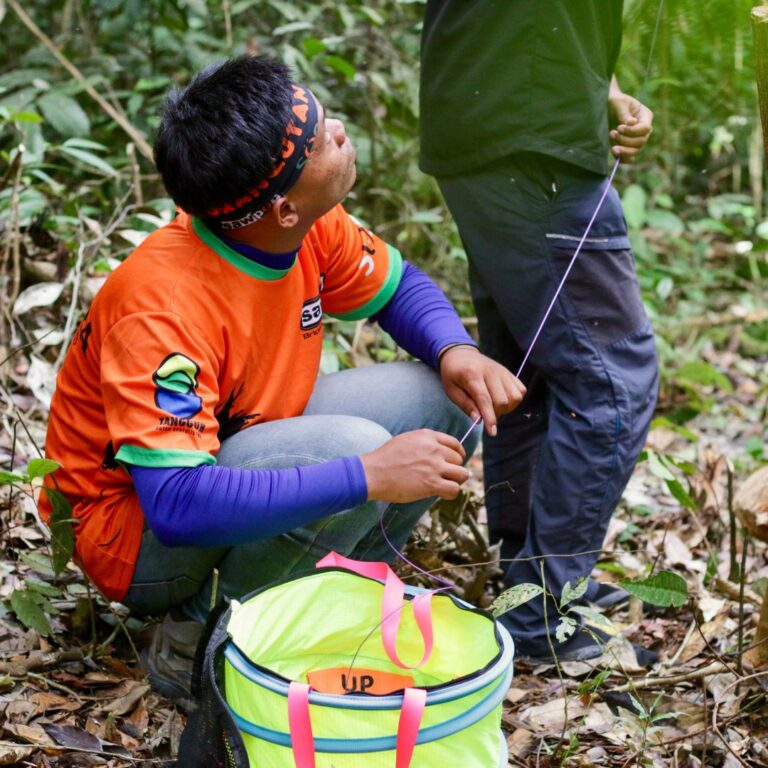
Seddih (pictured): My day usually starts with preparing equipment before conducting forest surveys. Additionally, we look for and collaborate with local community members who understand the target areas. In my daily role, I clear field paths, monitor weather conditions, prepare the local community, and assist the biodiversity team in explaining health and safety aspects to locals involved in surveys.
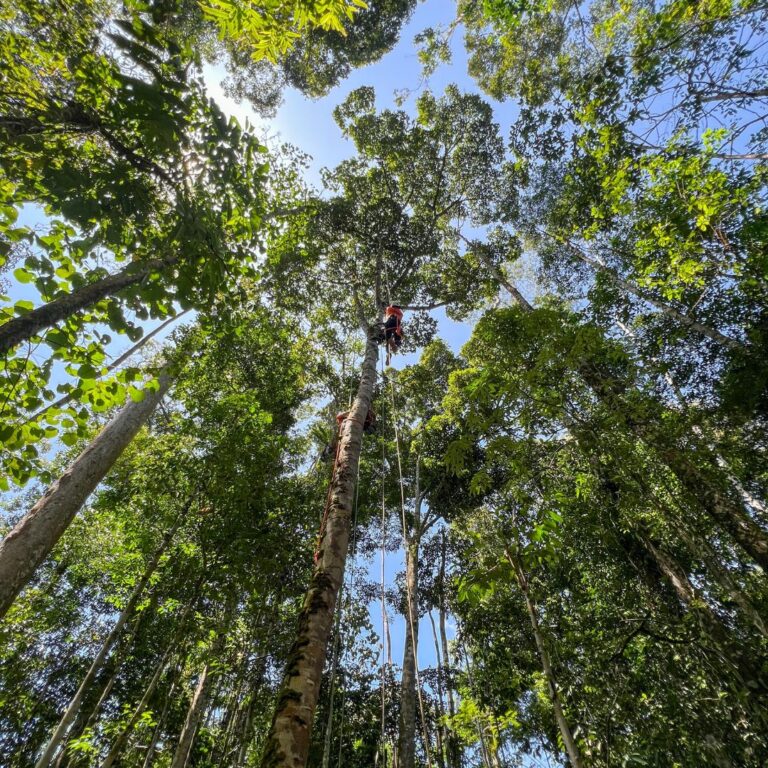
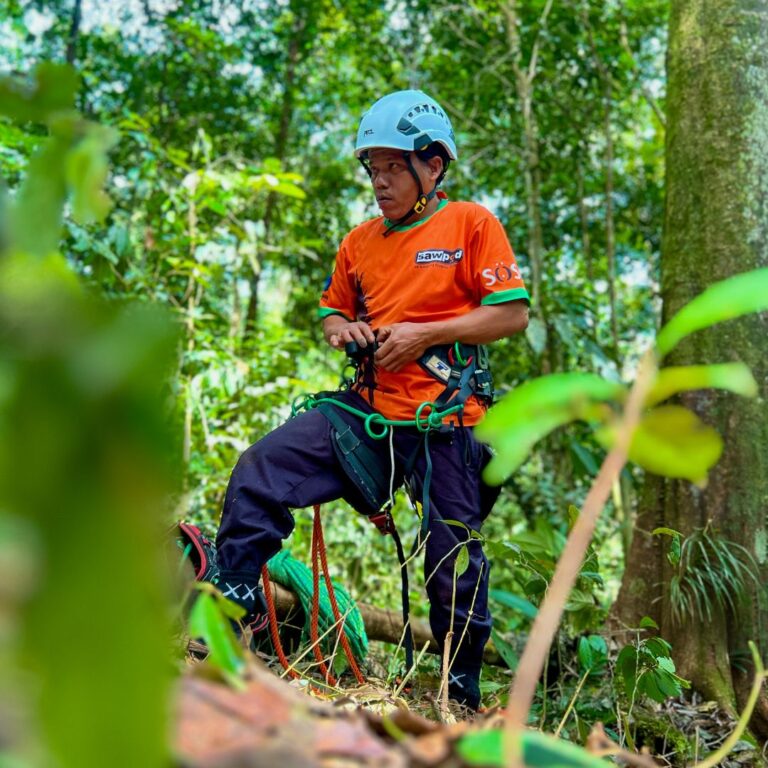
Rikardo: With TaHuKah, we aren’t just guides carrying machetes. Elsewhere, that’s all the job is: clearing paths. At TaHuKah, we learn: photography, computer data entry, tree climbing with modern gear, and even setting up camera traps.
Seddih: Here, we aren’t just empowered; we are grown. We serve as proof to other villages in West Toba that conservation can provide real benefits to local people. Daily needs can still be met without abandoning ancestral values and traditions. I am also involved in preparing communications using the local language, which is one of the parts I enjoy most.
Rikardo: When I am assigned to find locals to join the patrol team, they often suddenly become unavailable right before the scheduled day. This forces me to find replacements, which is naturally time-consuming.
Seddih (pictured): The challenges are diverse, but the main one comes from some community members who want to buy or sell land located within the conservation area. This is where our role becomes vital: providing understanding to the villagers.
Rikardo: The village community’s response is quite positive; they support my continued involvement with TaHuKah. Since joining, I’ve experienced many changes. I have a better understanding of how to use patrol equipment like cameras and Avenza Maps. My knowledge of the forest has grown, as has my professional network, especially with government bodies like the KPH (Forest Management Unit) and BBKSDA North Sumatra (Natural Resources Conservation Agency). Furthermore, I now better understand the vital role wildlife plays in maintaining the forest’s balance.
Seddih: The response has been quite positive. Initially, they thought I was spying on them for a conservation agency. However, after I explained TaHuKah’s goals, they slowly began to understand and accept my presence.
Rikardo (pictured): I explain the function of the forest in simple, easy-to-understand language so the next generation can grasp its vital role—as a source of life, a home for wildlife, and a buffer for environmental balance.
Seddih: If the forest disappears, we will all feel the impact. Because of that, we explain simply to the children that the forest around their homes is a habitat for many wild animals that must be protected.
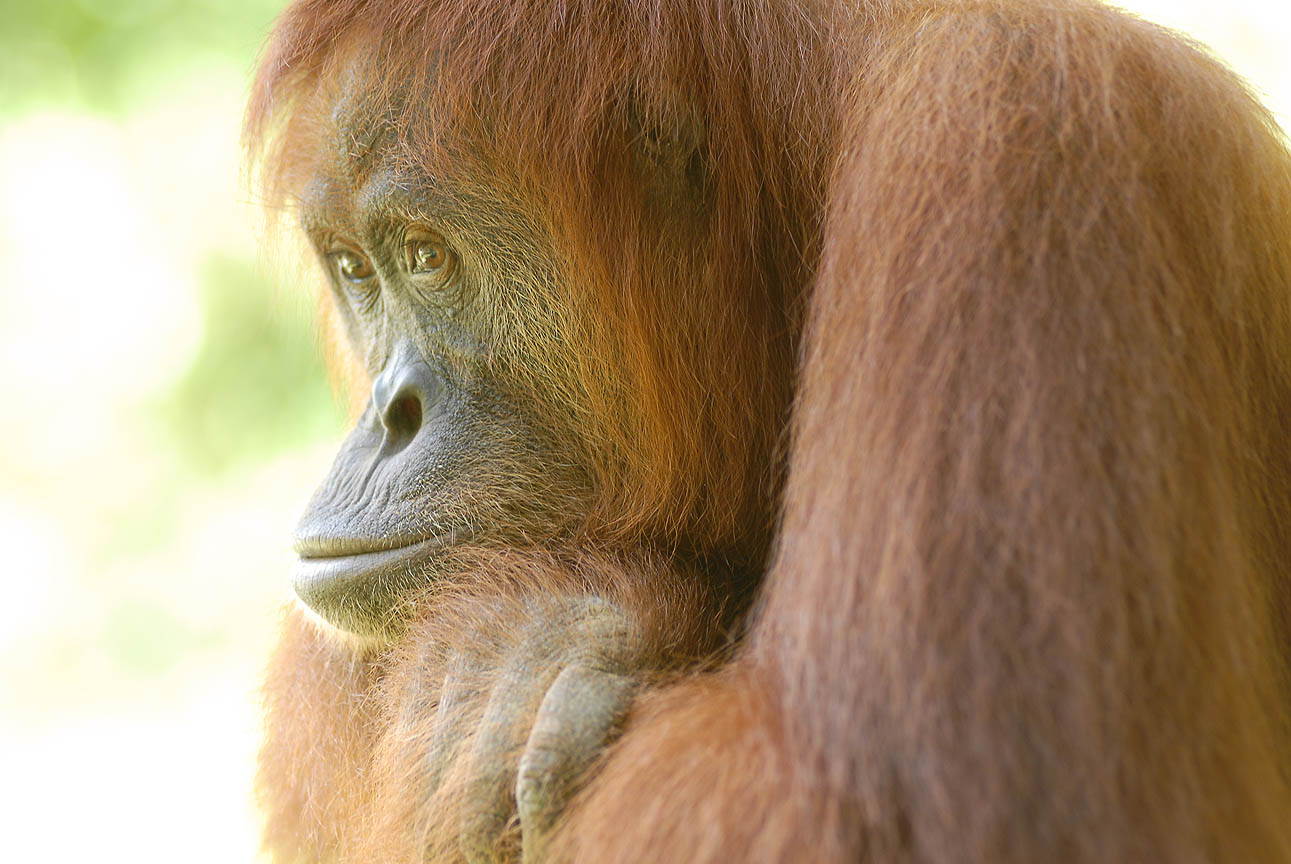
 You can help protect Sumatra's Orangutans. Click to get updates