Zac Mills, the Wildlife Collective
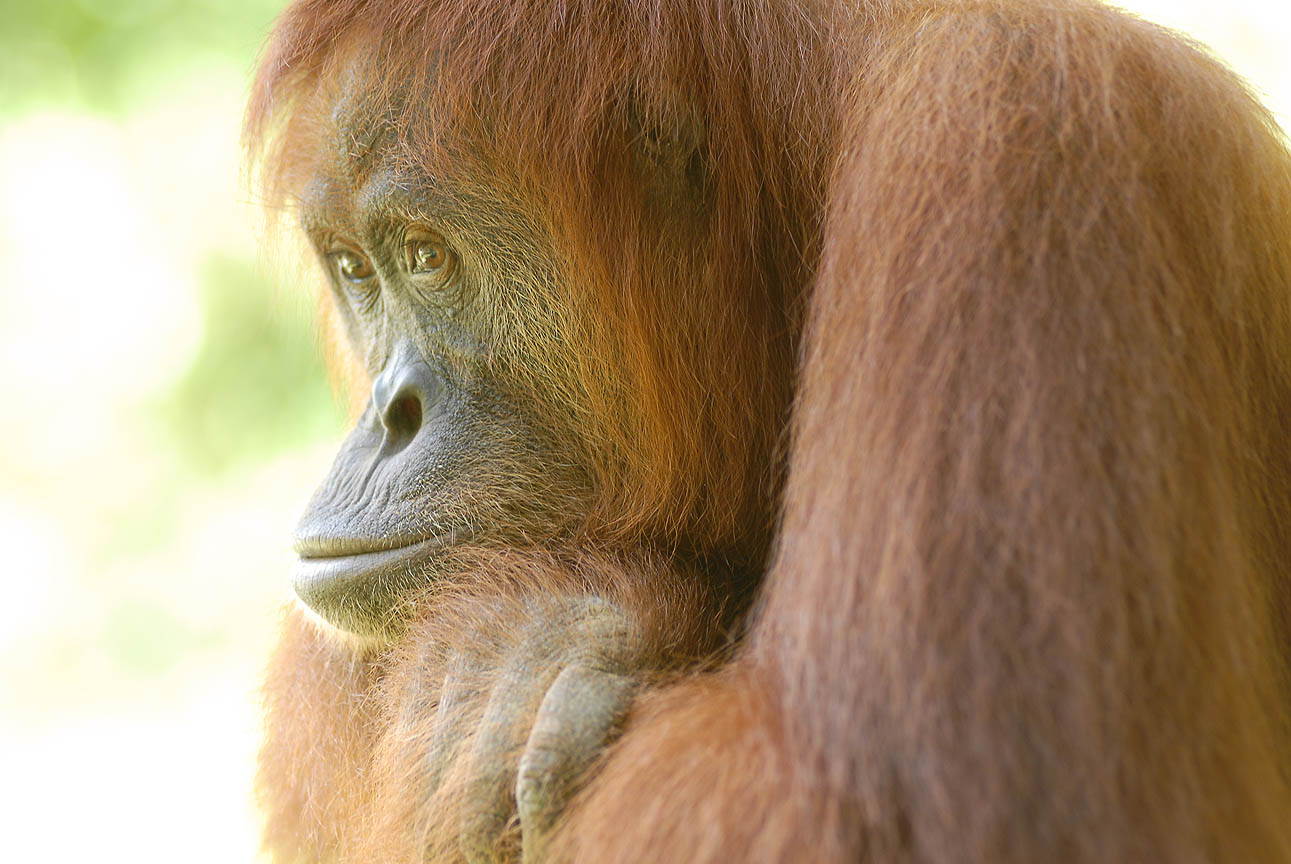
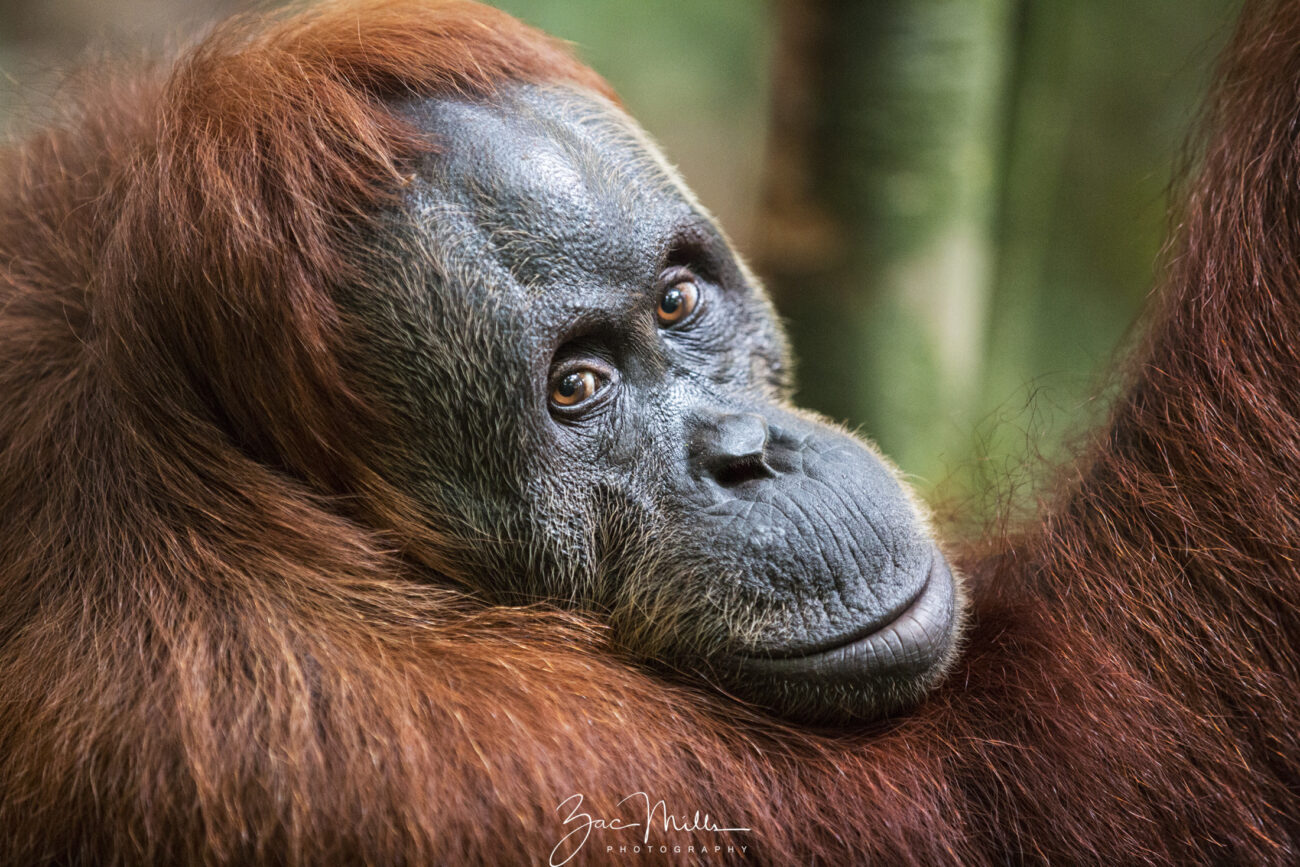
In a study published last month, 212 people (with no expertise in primates) watched videos of monkeys and apes making facial expressions. The videos included play faces and threat displays, which can look very similar. Both expressions have open mouths and visible teeth, making them a perfect test for whether humans can distinguish emotions.
Participants were remarkably good at reading primate facial expressions. They could accurately label them as positive or negative, and align the expressions to an emotional state such as “happy” or “angry.” But the real discovery came from face-tracking. Participants didn’t just recognise the emotions; they automatically reflected them back.
When seeing a “smile,” the participants would instinctively curl up the corner of their mouths; when seeing a scowl, their brows would furrow. Emotional mirroring was strongest for the primates the participants “liked” most or felt a sense of closeness to. Positive expressions were mimicked more frequently and intensely than negative ones.
So, why does this matter? This study proves that humans can resonate with the emotions states of monkeys and apes. It suggests that our capacity for empathy bridges the gap between species. This emotional connection is a powerful tool for conservation, changing how we perceive, value, and protect our primate cousins.
 You can help protect Sumatra's Orangutans. Click to get updates