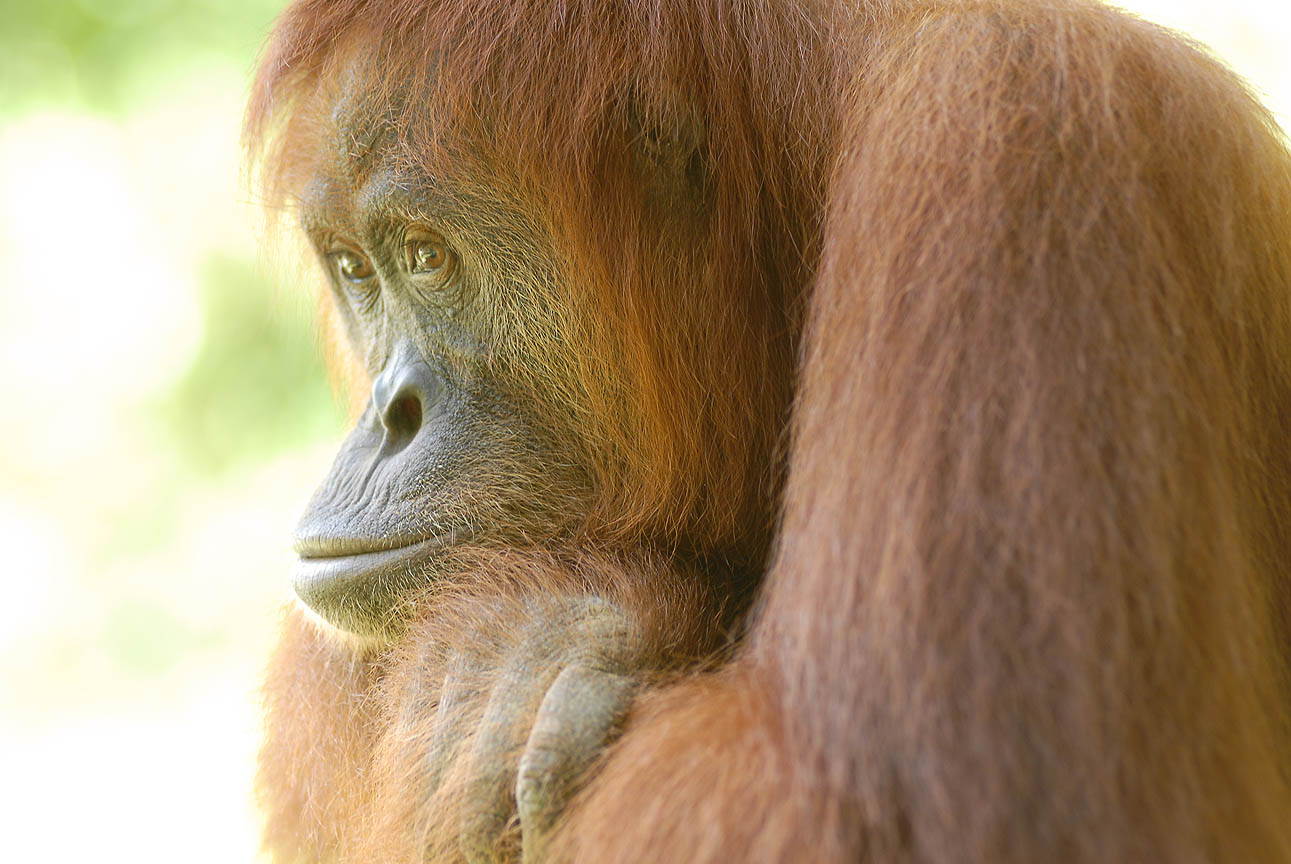
Credit: Grueter et al (2026) Primates https://doi.org/10.1007/s10329-026-01281-0
Throughout history, our ancestors have cared deeply for animals — with evidence from intentional animal burials dating back millennia. But is keeping pets uniquely human? To trace the origins of this behaviour, scientists reviewed over 400 cases of wild and captive primates socialising with other species — with some unique (and adorable) results.
They found that primates initiated 66% of the interspecies behaviours, with a further 33% being mutual. Friendly interactions occurred most often between closely related primate families that share natural habitats. Such as red-tailed monkeys playing with mangabeys in Uganda, or capuchins and spider monkeys playing and grooming in Costa Rica.
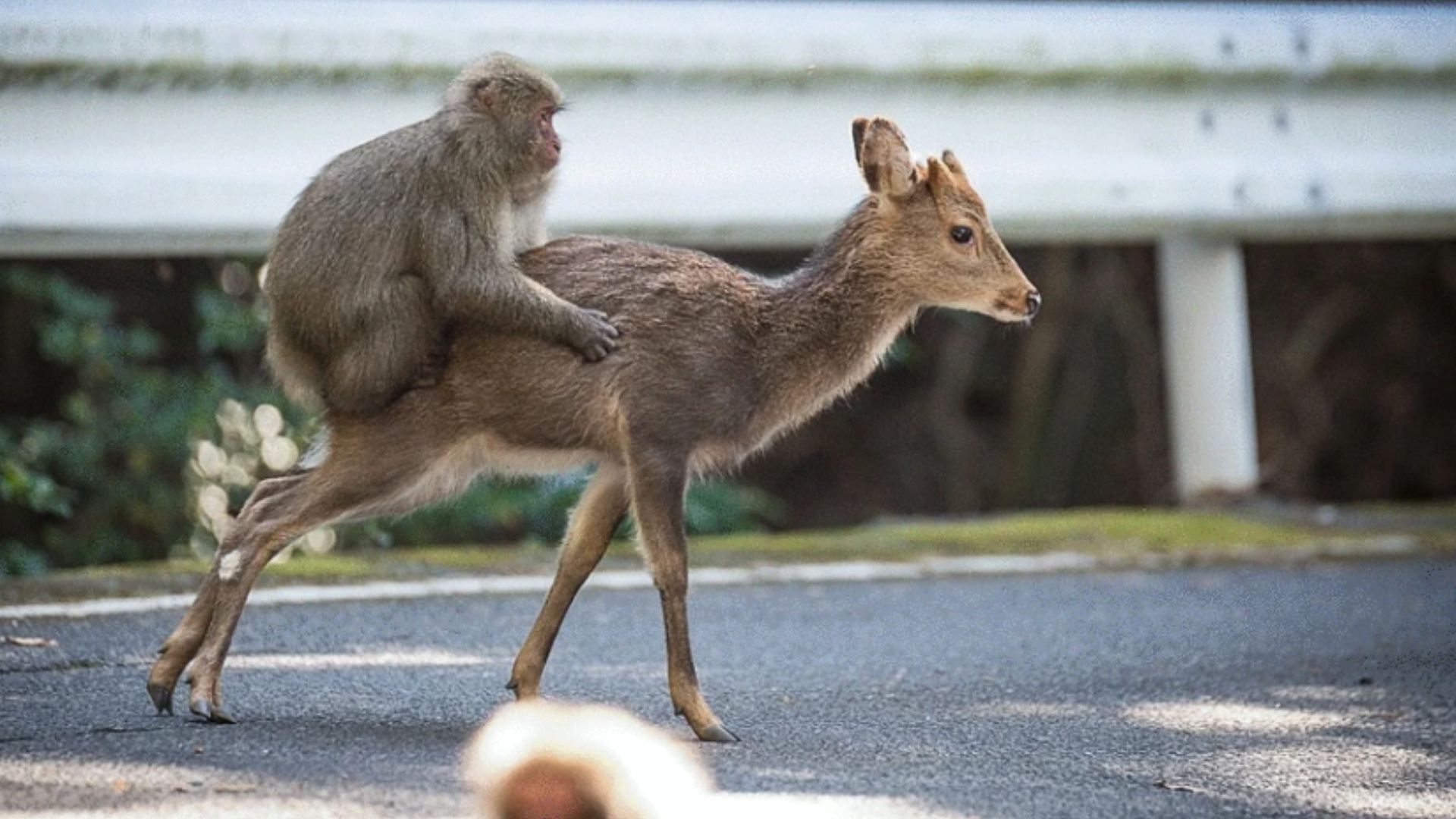
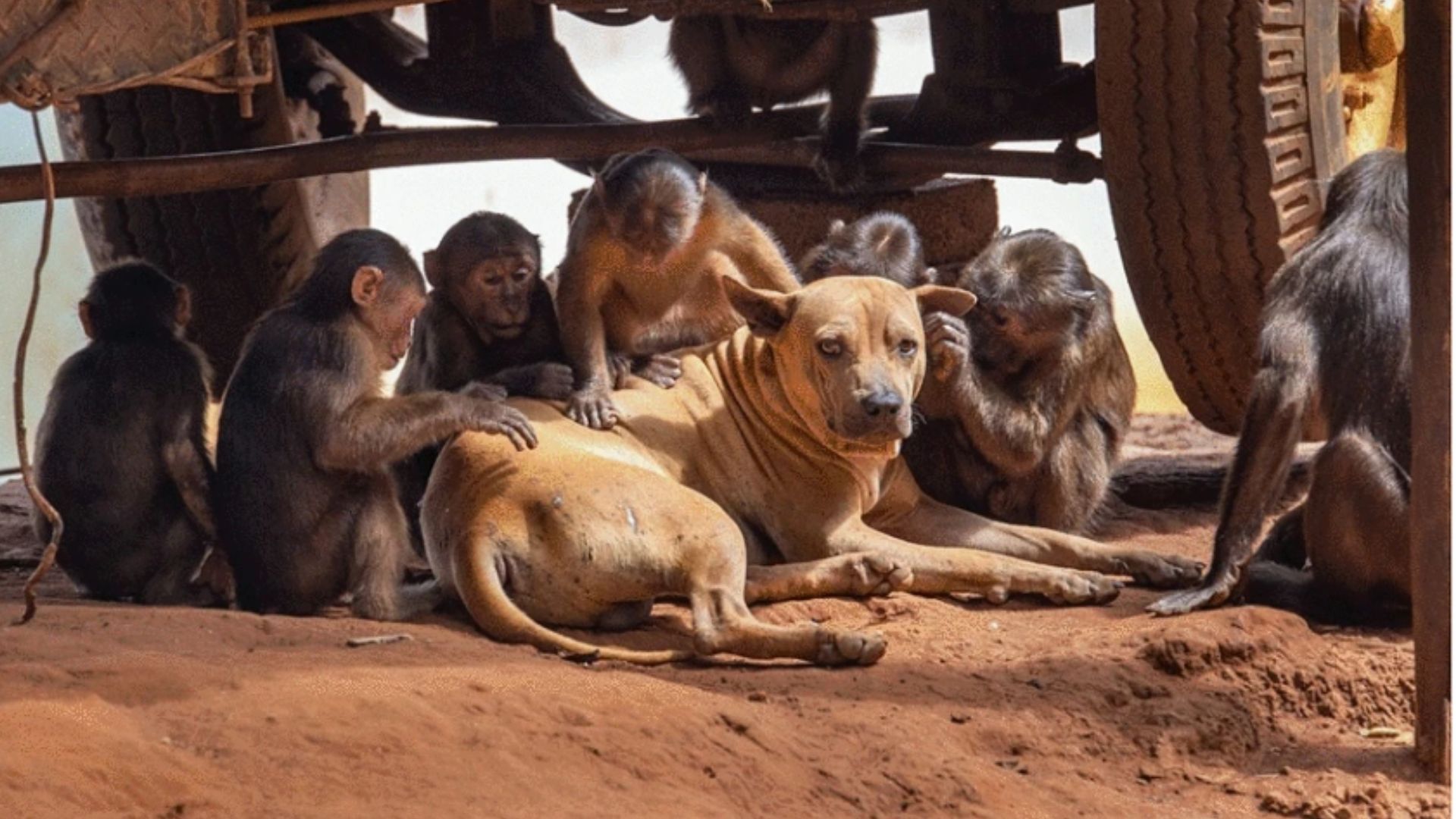
Credit: Grueter et al (2026) Primates https://doi.org/10.1007/s10329-026-01281-0
Interactions with dogs and deer were also common, with wild monkeys hitching rides and grooming them. Across the whole dataset, play (139 cases) and grooming (136 cases) were most frequent. Juveniles favoured play, while adult females led in caregiving. Though 26 instances involved aggression or fatal accidents, the vast majority were friendly.
Why does this matter? These behaviours offer no immediate survival benefit, yet they occur across species and continents. This widespread pattern suggests that the capacity for interspecies bonding was already present in our early shared ancestors. So the next time you cuddle your pet, remember: that instinct has been millions of years in the making.
 You can help protect Sumatra's Orangutans. Click to get updates