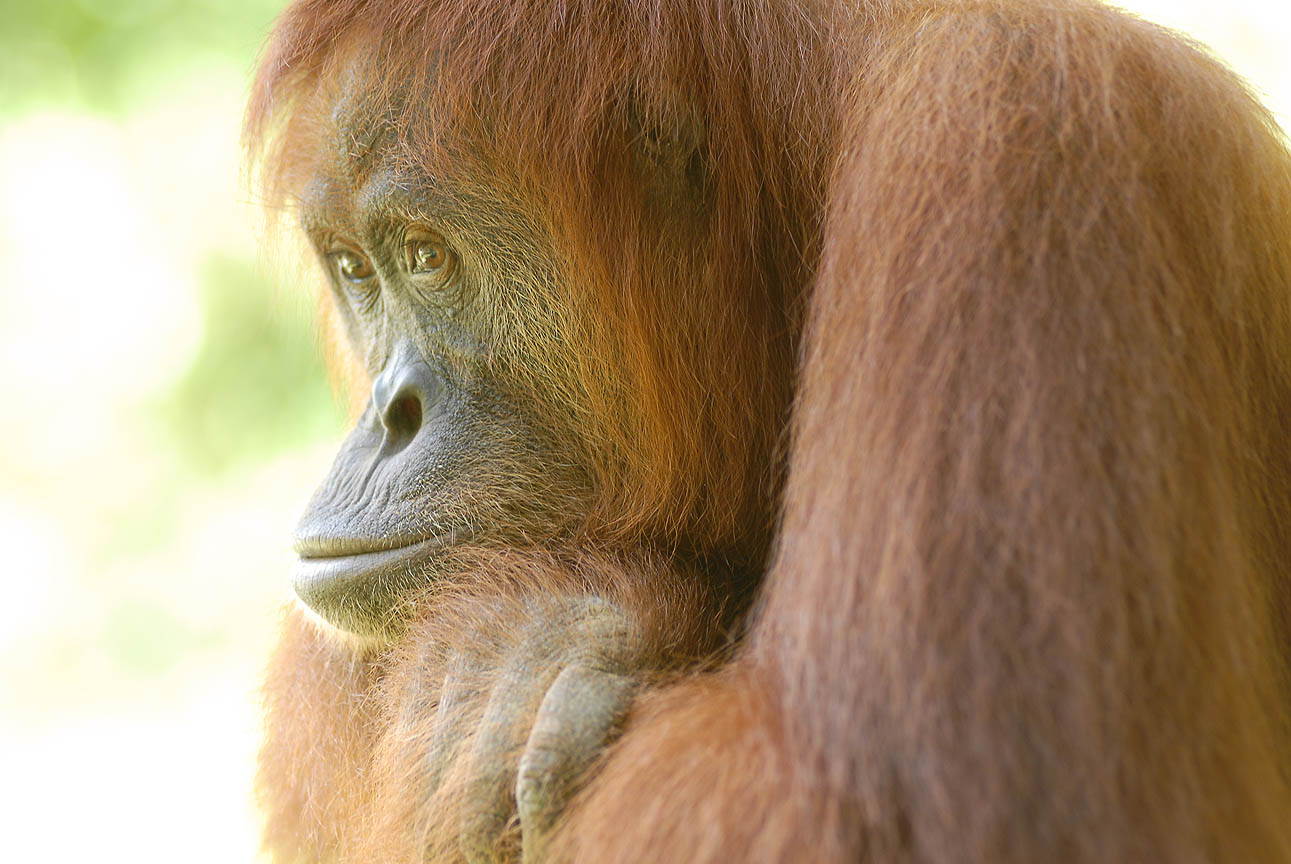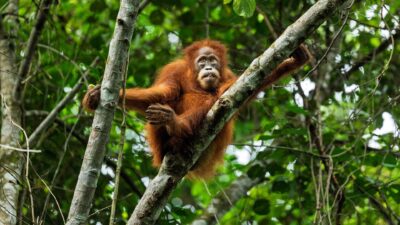
Credit: Zac Mills, the Wildlife Collective
Researchers have discovered that community-managed forests in Sumatra can protect rare and threatened animals just as well as state-protected areas, provided the forest stays connected. Using camera traps, the team analysed wildlife across two setups: one focused on keeping forest cover intact, and another blending farmland with forest (an agroforestry mosaic).
Both habitat types saw high levels of wildlife, but each supported a different balance of species. While connected-forest sites protected a wide range of rare wildlife, agroforestry mosaics saw significant declines in deep-forest species (like the marbled cat and banded linsang). Meanwhile, adaptable generalists like macaques continued to thrive in both environments.
Crucially, the single biggest factor determining wildlife survival was habitat connectivity – how easily animals can move between patches of forest. In mixed farming areas, broken pathways made it much harder for deep-forest species to survive. Connecting fragmented forests is essential to protect rare and threatened animals.
Both types of community forests have real conservation value. But achieving lasting success depends on local people. We must provide communities with financial incentives (like carbon credits or biodiversity payments) to align sustainable livelihoods with global wildlife protection goals. We cannot protect forests at the expense of people.
This paper has real-world implications. We and our frontline partners are helping communities gain the legal rights to manage their land and supporting them to create forest-friendly livelihoods. The message is clear: we must connect fragmented forests to allow rare and threatened species to survive.
 You can help protect Sumatra's Orangutans. Click to get updates