Credit: Zac Mills, the Wildlife Collective
Every night, all great apes build a new sleeping nest. Studies show incredible complexity in these nests. These amazing apes aren’t just bending twigs at random; they apply engineering principles to build secure, comfortable beds. But the choice of material, tcomplexity, and location varies across species. So, how does nest building differ across the great apes?
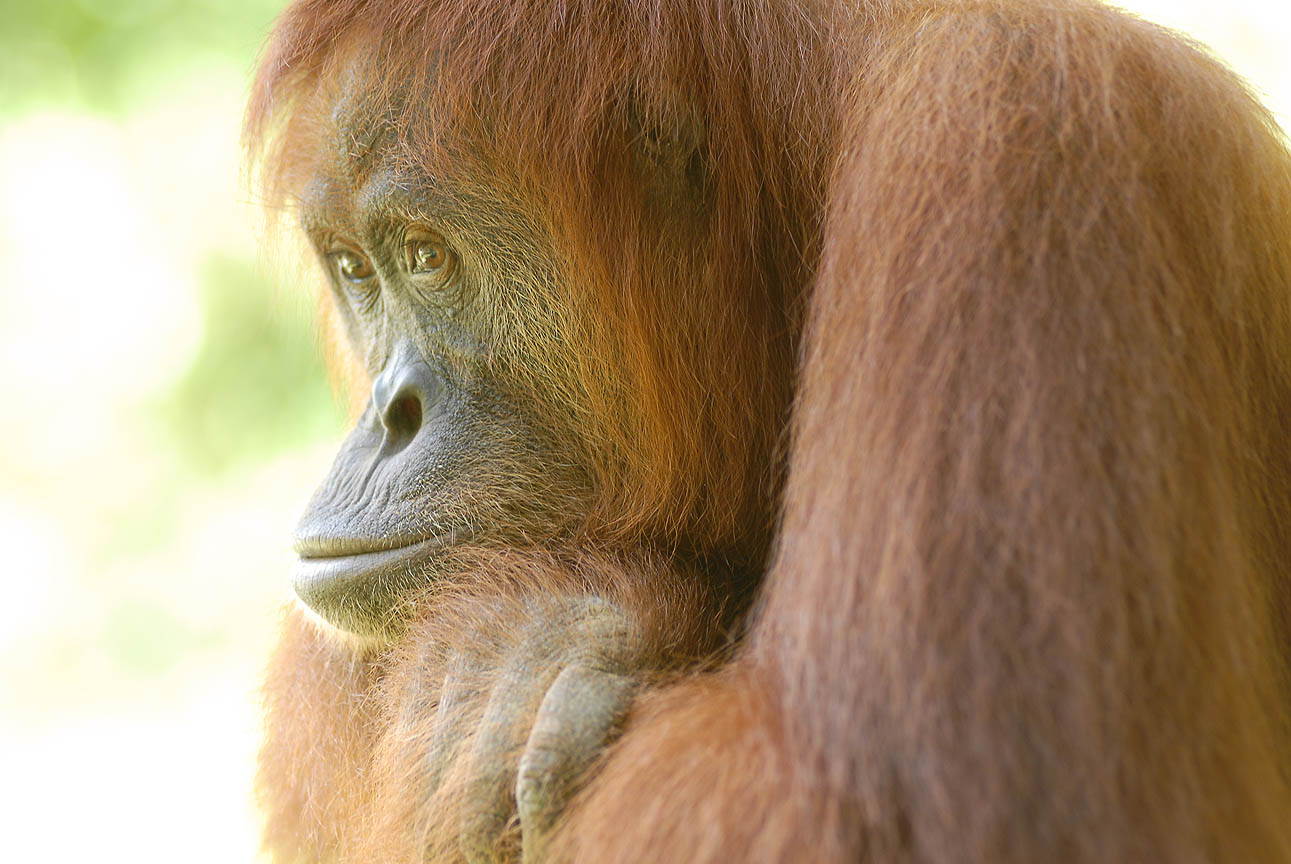
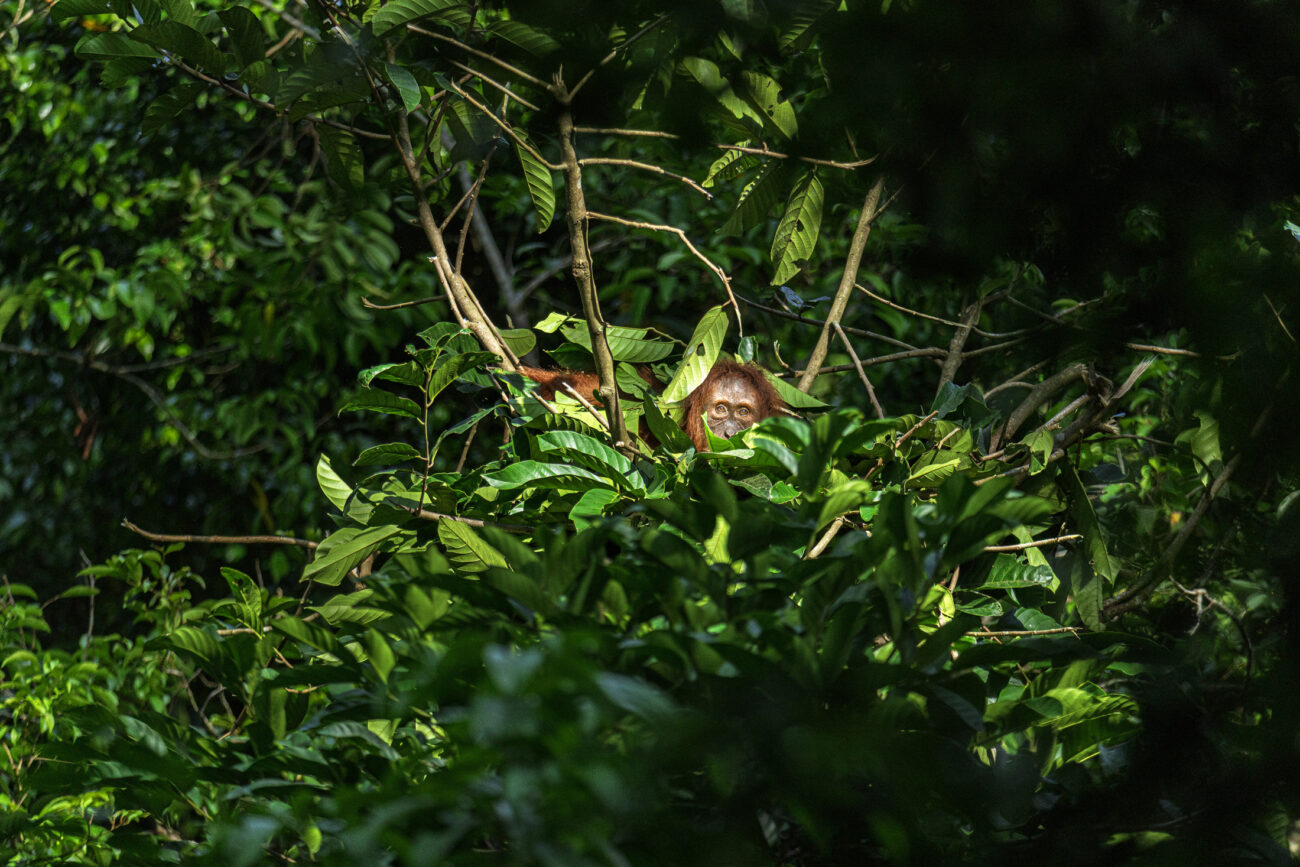
Orangutans build the most complex nests. They selectively weave strong branches for the frame, snapping them halfway to stay attached to the tree. They twist and break off thinner branches to weave a soft mattress lining. For extra comfort, orangutans construct leafy pillows and blankets, and use insect-repelling leaves to ward off mosquitoes.
Chimpanzees pick strong trees with dense leaves for sturdy bowl-shaped nests. While chimps sleep alone, bonobos often share nests and sleep in clusters. Heavy males sleep on lower branches, creating a protective barrier for the females and youngsters nested above. Bonobos prioritise proximity to food when nesting and are more likely to use leaves as blankets.
Gorilla nesting is flexible and (unlike other apes) depends on the weather. In hot weather, gorillas sleep on bare earth. In rainy or cool conditions, they pull surrounding foliage into quick, simple cushions. Heavy silverbacks sleep on the ground, while females and youngsters nest in low trees — especially if a protective male isn’t nearby to guard the troop.
Ape nest building evolved millions of years ago. Secure beds allowed great apes to reach deeper REM sleep without falling or fearing predators, helping fuel the evolution of large brains. Today, habitat loss threatens the nesting trees apes rely on. To protect our closest relatives, we must connect forest landscapes so apes can safely move, nest, and thrive.
References
 You can help protect Sumatra's Orangutans. Click to get updates