The Great argus (Argusianus argus) is a large, ground-dwelling pheasant famous for its magnificent courtship displays. Males clear open areas on the forest floor, performing elaborate dances while fanning out their huge wing feathers. Their feathers are patterned with hundreds of striking eye spots to attract females. This is such a wonderful sight to behold – so we were thrilled to see a male and female dancing in this camera trap video.
The sun bear (Helarctos malayanus) is the world’s smallest and most arboreal of all bear species, and one of our favourite animals in the Sumatran rainforest. So, we were very excited to spot one with a camera trap last year.
Sun bears use their long tongue and claws to extract honey and insects from hollow trees. They are fairly solitary animals and are classified as vulnerable. Sun bears are important seed-dispersers and so their presence in West Toba is a sign of a healthy ecosystem. During more recent patrols, the team recorded claw marks on trees – confirming the continued presence of sun bears in these forests.
One of the most elusive inhabitants of the Sumatran rainforest: the asian golden cat (Catopuma temminckii). This species is highly adaptable yet rarely seen by humans. Camera traps are our only chance to catch a glimpse – allowing us to monitor their populations without human interference. Although this species is relatively small, they are powerful and hunt everything from birds to rodents and reptiles. We were excited to spot one in West Toba.
Also known as muntjac (Muntiacus muntjak), these small deer get their name from the deep, dog-like bark they emit when they sense a predator. Barking deer are another species crucial for ecosystem health, helping to disperse seeds as they forage on the forest floor. They are an unusual-looking species with prominent scent glands on their face and are a regular sight in our camera traps. Their presence provides a vital food source for larger predators, keeping the ecosystem in a delicate, natural balance.
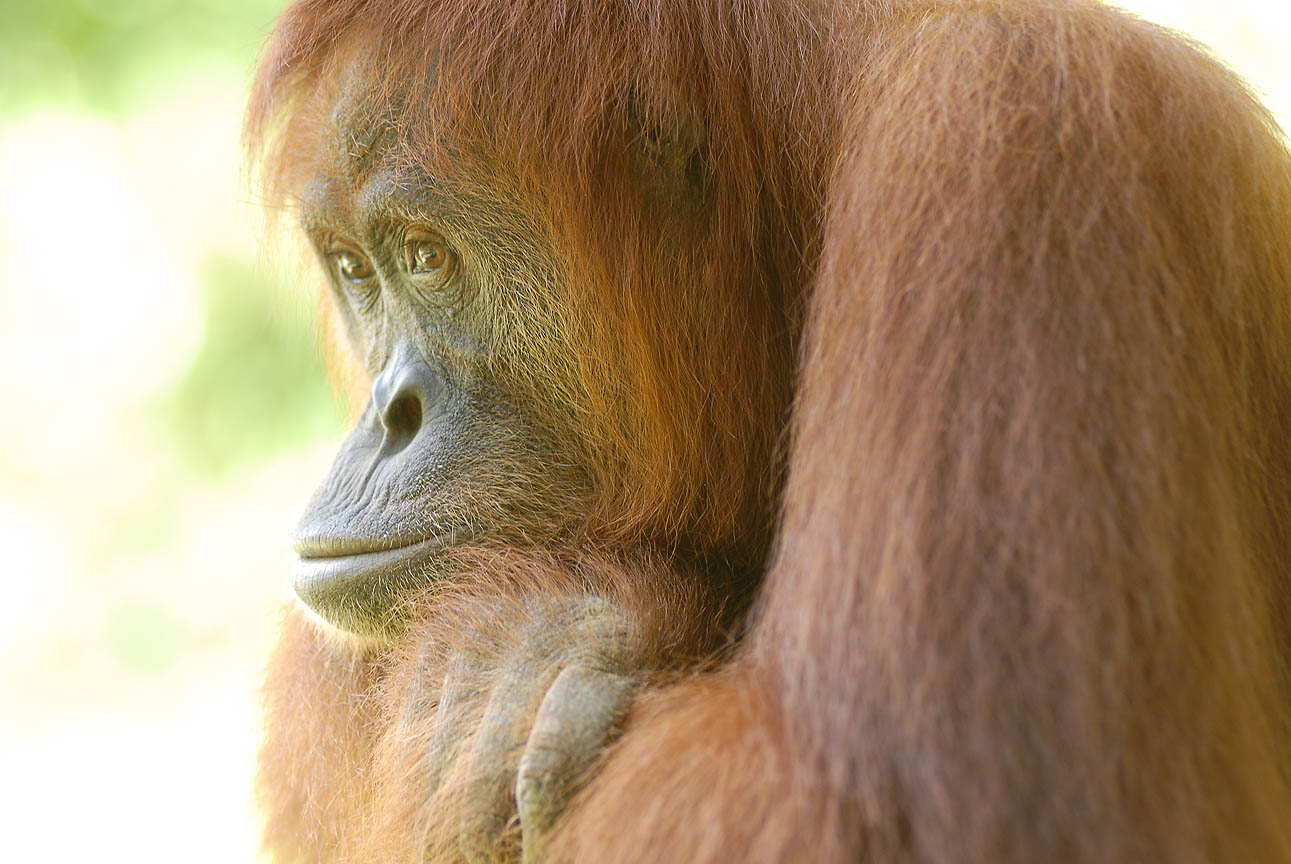
Most wildlife sightings happen during routine patrols and camera traps monitoring. But some, like the incredibly rare sighting of an orangutan mother with twins, happen in response to human-wildlife conflict. On this occasion, a local farmer reported that orangutans were raiding his crops. When the team arrived, they found a mother with her two young, along with eight orangutan nests. She had been feasting on durian and petai (also known as stink beans), causing damage to the farmer’s harvest.
With the farmer’s permission, TaHuKah encouraged the orangutans back into the forest using non-harmful deterrents – in this case, firecrackers. It’s part of a trusted system: local people now call TaHuKah whenever there’s a human-orangutan conflict, knowing the team will respond quickly and respectfully, and without harm to wildlife.
The presence of these rare animals underlines the importance of protecting Sumatra’s rainforests and the need for continued research and community patrols. Each sighting provides another piece of the puzzle, giving our teams an increased understanding of biodiversity in West Toba. This helps us to:
By supporting our data-driven conservation programmes, you can secure a safe and thriving future for thousands of unique and vulnerable species. Donate to continue this vital work.
 You can help protect Sumatra's Orangutans. Click to get updates