Photo credit: Suzi Eszterhas
Facial expressions are central to our social lives. But scientists don’t fully understand how our brain produces them. Traditional theories suggest that facial expressions are an emotional reflex. In other words, an automatic response which honestly reflects what you feel inside. However, the human ability to mask our emotions challenges this.
New research on macaques suggests that facial expressions aren’t automatic reflexes. The research team recorded neural activity while the primates interacted with each other and found that facial expressions are sophisticated social signals controlled by two distinct brain regions. They are intentional, not automatic.
The lateral and medial brain cortexes work together at different speeds. The lateral cortex handles rapid, millisecond-level reactions. The medial cortex tracks slower environmental contexts. Importantly, neural activity begins before the face moves, suggesting that macaques prepare their expressions in advance rather than just reacting.
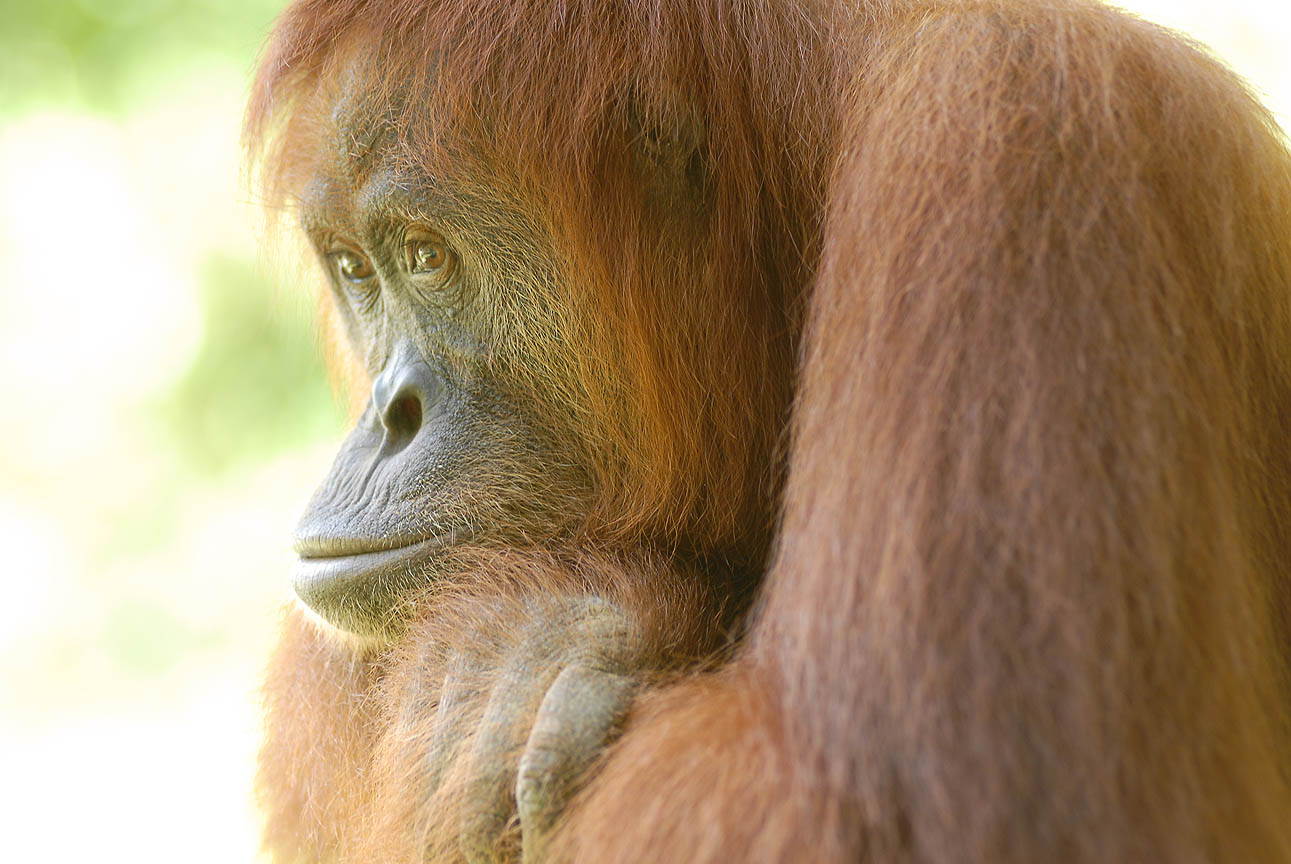
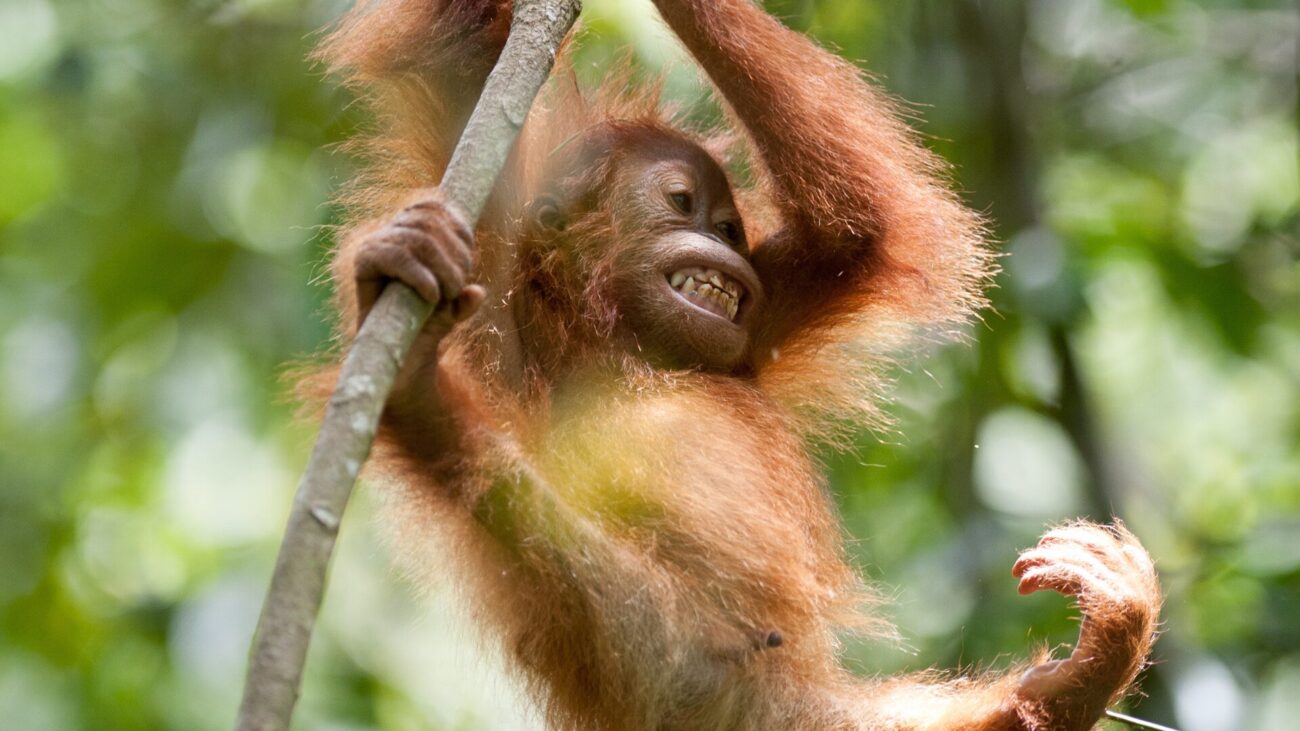
This is interesting for great apes. Orangutans and other apes use facial expressions strategically. Research shows they are more likely to produce specific displays, like the “play face,” when they have an audience, indicating a high level of intentionality. Like humans and macaques, their expressions are calculated social moves rather than just involuntary outbursts of feeling.
 You can help protect Sumatra's Orangutans. Click to get updates