Protecting wild orangutans begins with building lasting relationships with the communities who share their home. Alongside our conservation partner, TaHuKah, we invest in local wellbeing and livelihoods – demonstrating how people and wildlife can thrive together.
That’s where Kirana comes in.
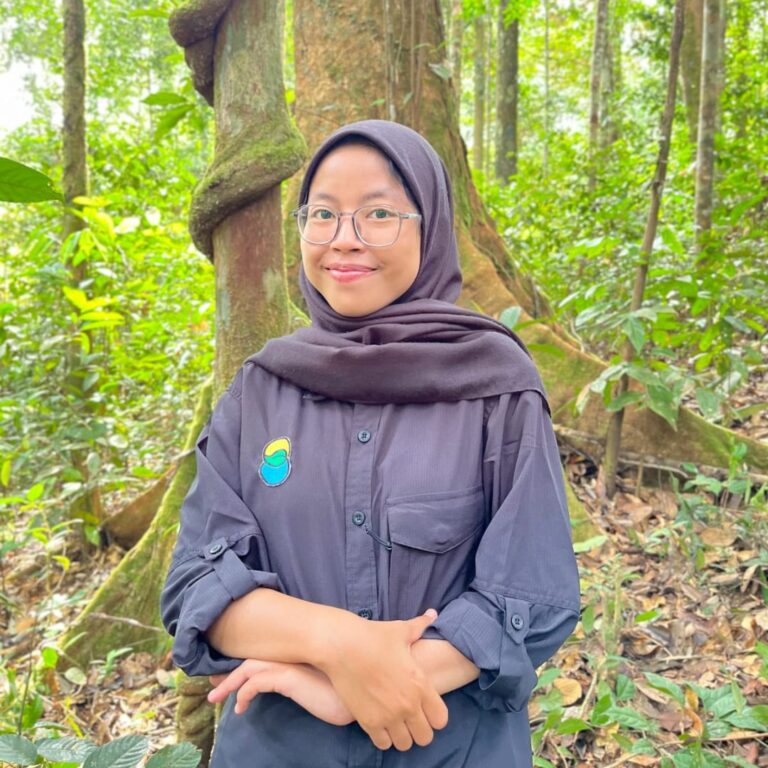
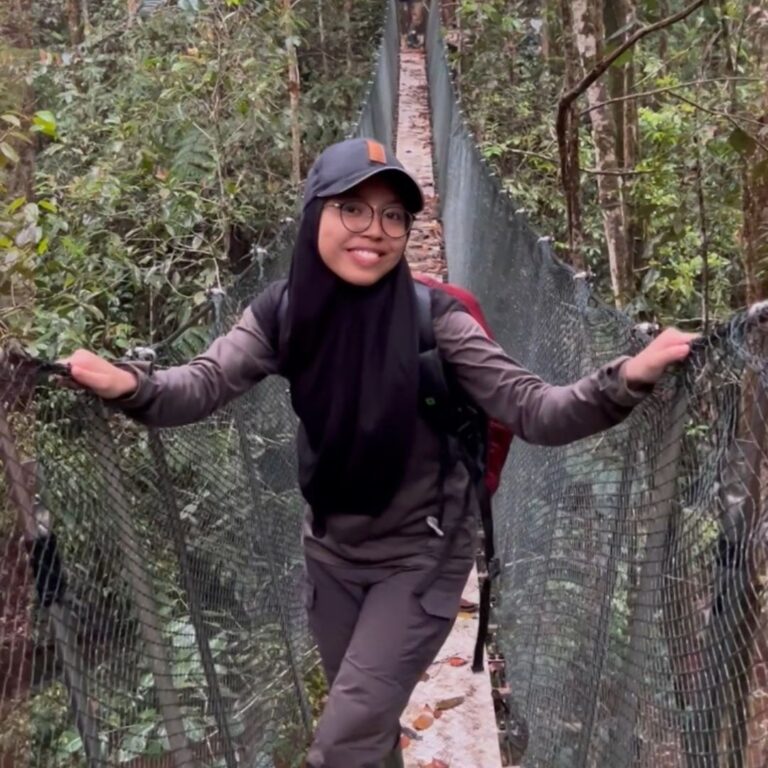
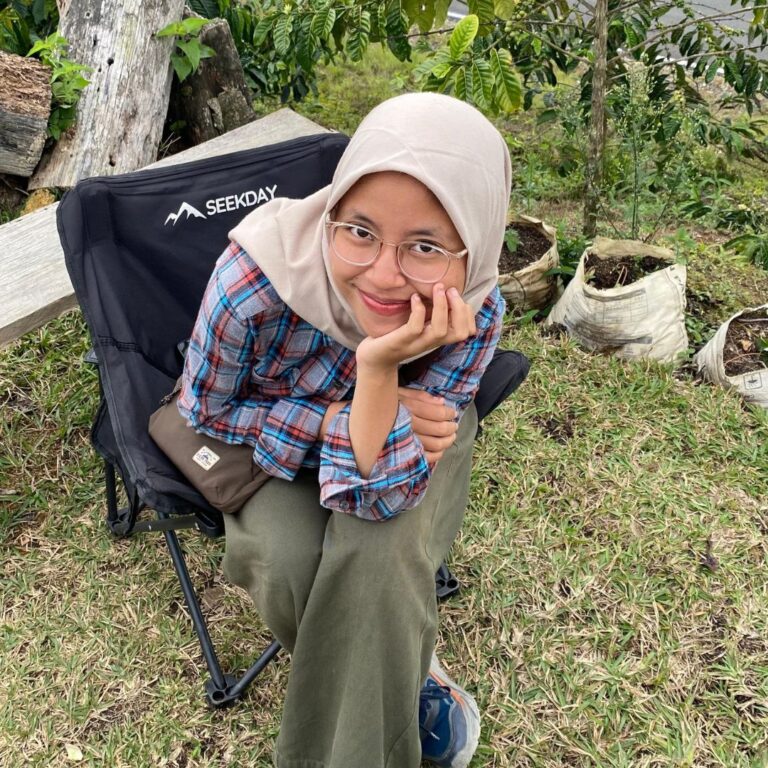
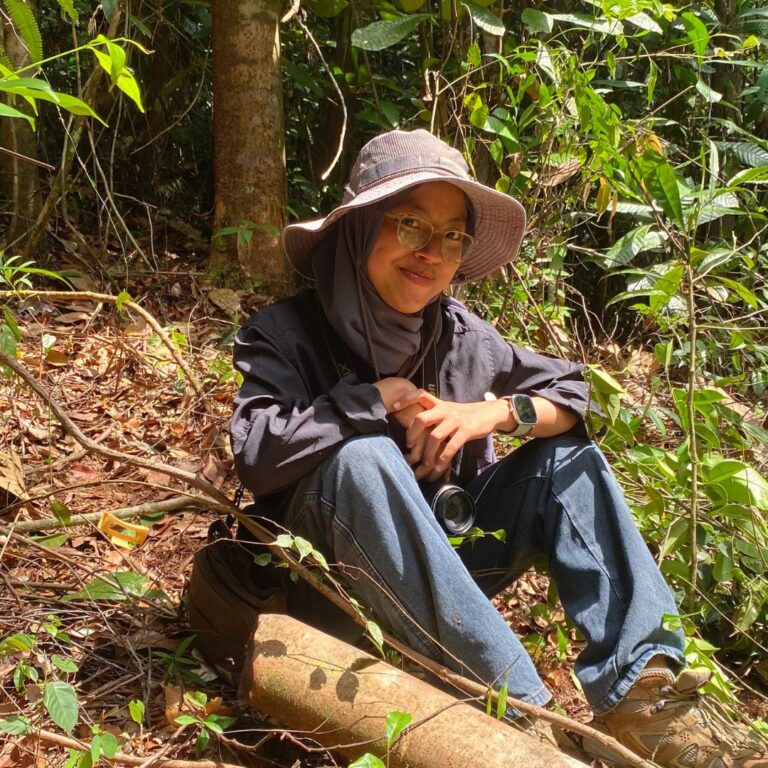
As a Village Facilitator with TaHuKah, Kirana lives and works within key orangutan landscapes, serving as the bridge between conservation goals and community needs.
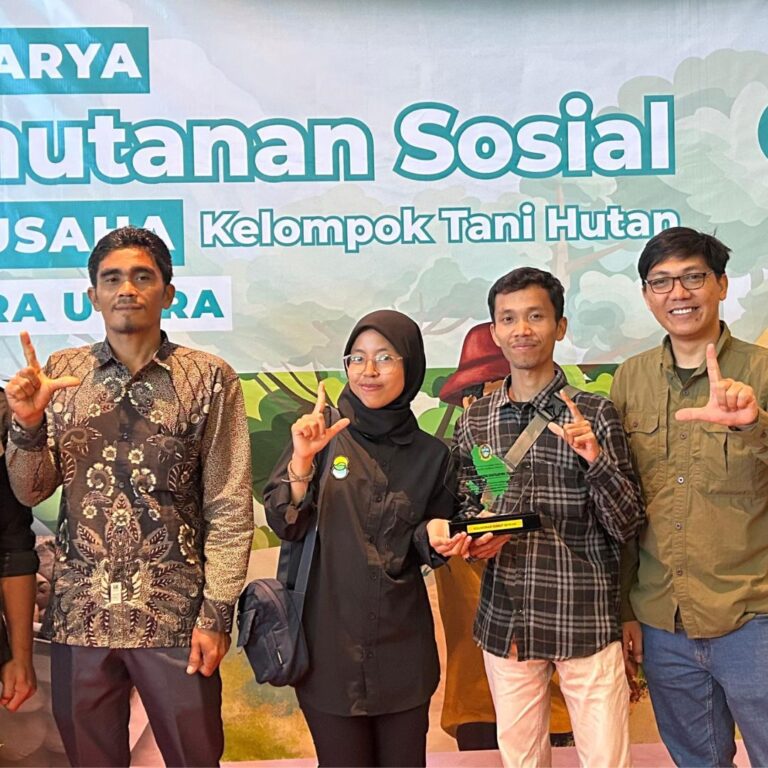
At the heart of her work is social forestry, an approach to sustainable forest management that helps villages secure legal rights to their land. By supporting communities to invest in the sustainable use of forest resources, social forestry reduces illegal logging and habitat loss.
As a young woman navigating a traditionally male-dominated field, Kirana has brought a fresh, determined energy to community engagement. Whether she’s sharing a morning coffee with villagers or participating in local traditions, Kirana’s approach is built on mutual trust and respect.
Through patience and genuine connection, she has broken down barriers and earned the trust of local leaders. Read on to discover Kirana’s journey into conservation, the challenges she has overcome, and her vision for a shared future.
I began my career at TaHuKah out of a strong desire to work with a conservation NGO, particularly in orangutan conservation. This field has been deeply meaningful to me since my university years, through academic study and field research on this flagship species.
Coming from a family background that values nature and wildlife, I feel fortunate to be working in a field that aligns with my passion.
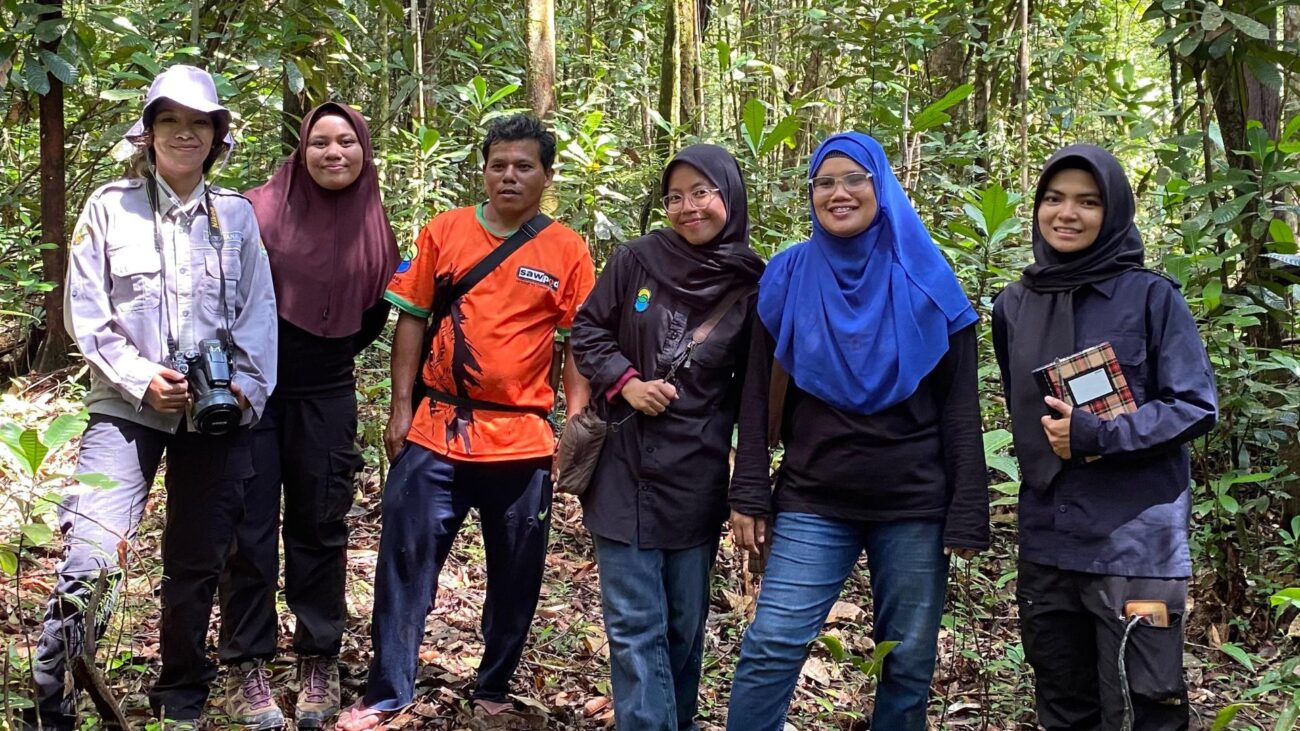
My role here has allowed me to deepen my knowledge of orangutans. Both SOS and TaHuKah have supported my growth by entrusting me with the position of Village Facilitator, where I engage with communities living adjacent to forest ecosystems, learning their perspectives and understanding the socio-ecological relationships between people and forests.
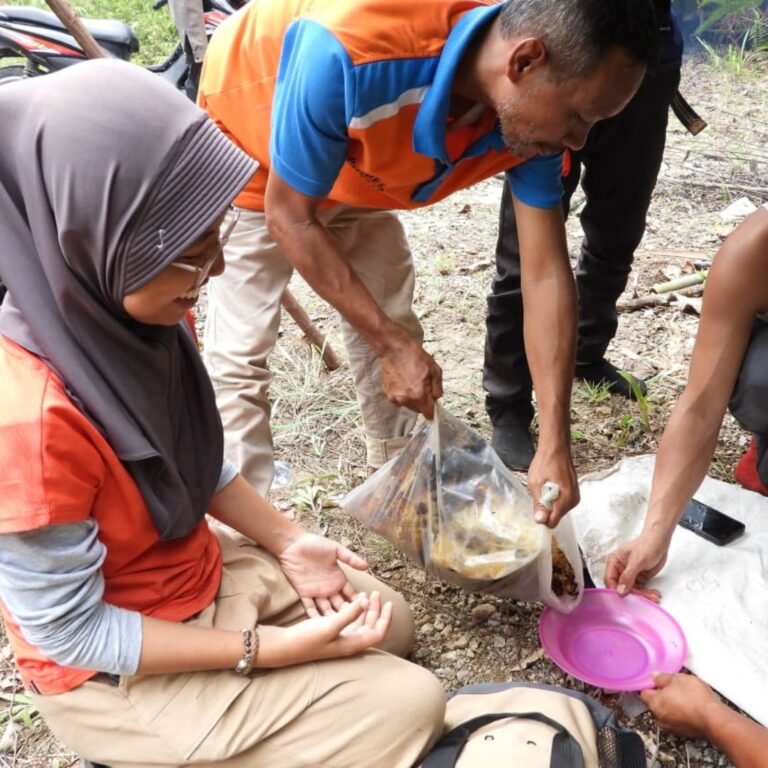
In my role as a Village Facilitator, I assist community groups engaged in social forestry schemes, support their needs, and participate in local social activities.
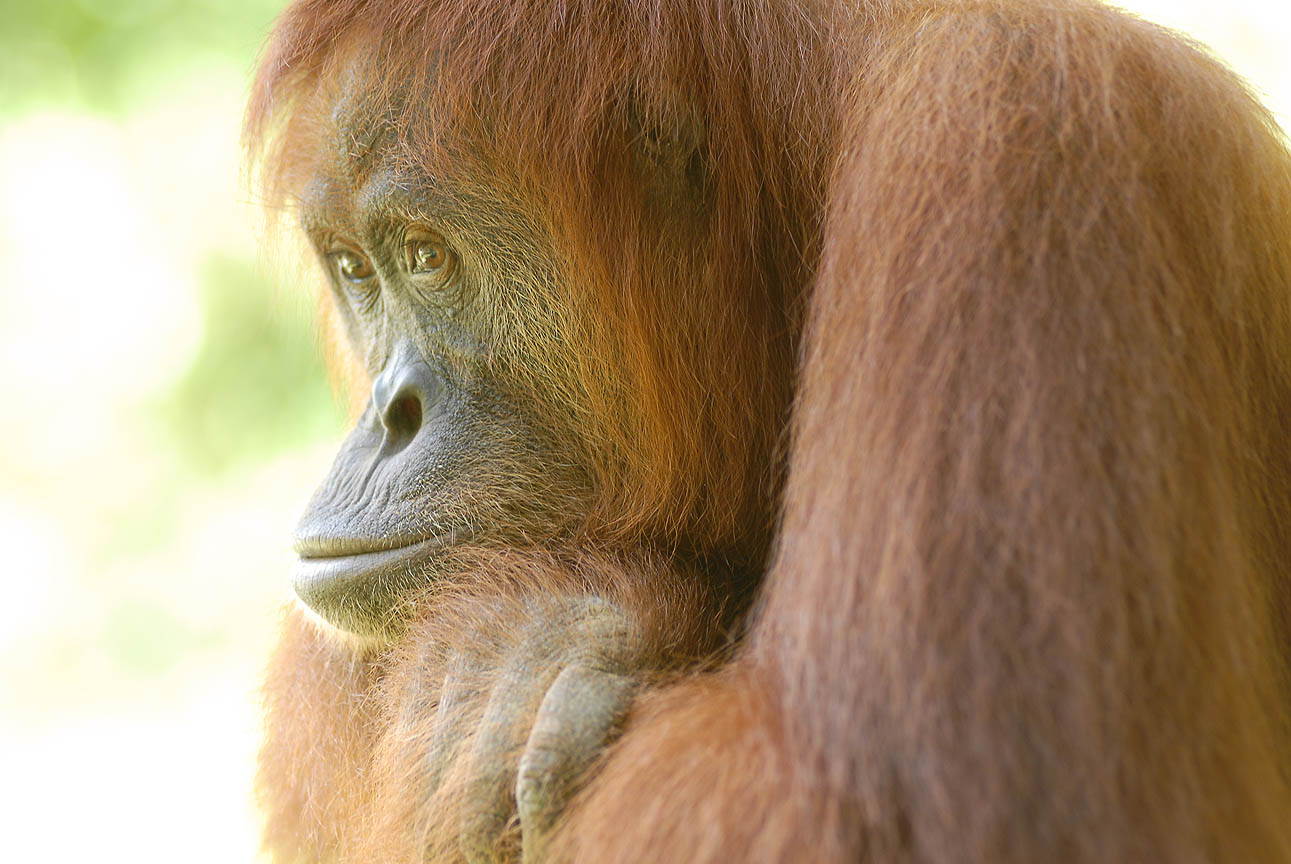
Yes, during my undergraduate studies, I encountered orangutans in the wild for the second time at a research station. That experience made me realize how inseparable human life is from nature, our food, medicine, and oxygen all come from it. Orangutans, in turn, play a critical role in forest regeneration by dispersing seeds. I understood then that all living beings share the same basic needs: shelter, food, and freedom. This realization strengthened my resolve to dedicate my career to conservation.
Being a Village Facilitator is the most fulfilling part of my work. One memorable moment was joining the annual Merdang tradition in Sibagindar Village, a collective rice-planting ritual preserved for generations. It emphasizes communal labor (gotong royong) and spans two months. I was warmly welcomed with traditional Pakpak cuisine, Pelleng, mashed yellow rice served with richly spiced chicken curry.
Sharing meals and laughter with the community during midday breaks was a rare and heartwarming experience compared to urban life. This taught me that community participation is crucial in conservation, as local people are key actors in maintaining ecological balance.
Fieldwork often presents complex challenges. Communities sometimes perceive restrictions in conservation areas as threats to their livelihoods. It requires patience to understand their concerns and reshape perspectives.
As conservationists, we must avoid being intimidating or patronizing. Encouraging communities to cultivate orangutan-friendly crops takes time, especially when economic returns are slower compared to commodities like oil palm.
Additionally, my young age and gender occasionally trigger initial doubts among male community leaders, requiring extra effort and strategic approaches to build trust and credibility in village forums.
A common misconception was that conservation programs would seize customary lands or farmland, turning them into restricted forests inaccessible to locals. Many did not realize that social forestry actually grants communities legal rights to manage forests sustainably.
Gradually, through consistent dialogue in coffee shops and village forums, these perceptions have shifted. Communities now understand that TaHuKah helps secure their forest management rights. Conflict mitigation awareness has also grown – when orangutans pass through, villagers now report to facilitators or authorities instead of resorting to violence.
They also recognize that forest protection must coexist with sustainable use of non-timber forest products (NTFPs) to support local economies.
Personally, I hope to continue strengthening my communication and community economic empowerment skills. I aim to remain a trusted figure for both institutions and villagers, proving that youth and being a woman are not barriers in the field. I also aspire to contribute to conservation policy development.
For communities, I envision them optimizing social forestry schemes through NTFPs and ecotourism, enhancing livelihoods while securing legal rights over their forest areas. I hope villages will view conservation not as an external imposition but as a shared necessity for future generations.
Ultimately, I hope forests remain intact, ensuring that wildlife in landscapes such as Pakpak Bharat and Batang Toru retain safe habitats and interconnected corridors.
 You can help protect Sumatra's Orangutans. Click to get updates