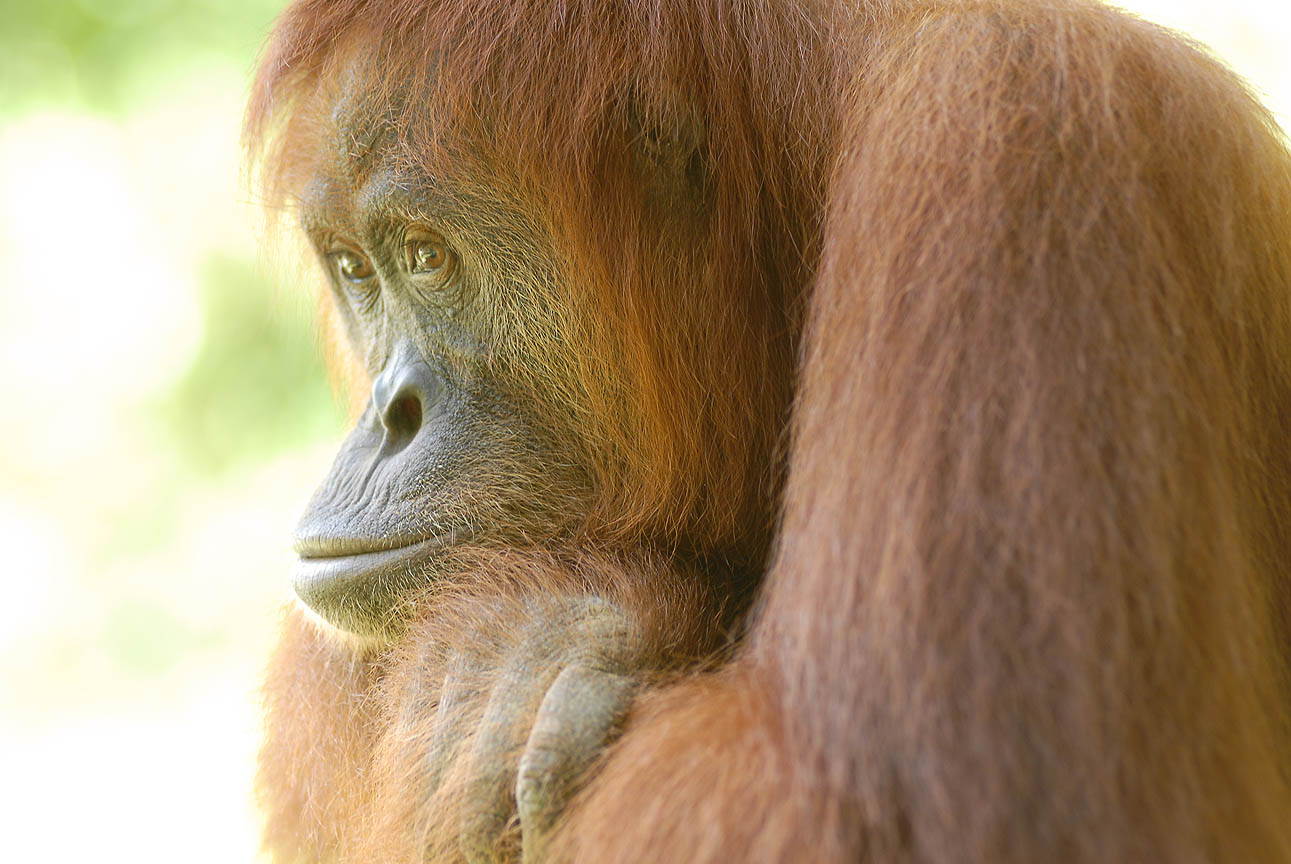
Credit: Zac Mills, the Wildlife Collective
Previous research into same-sex sexual behaviours (SSSB) has observed a range of same-sex activities among primates, such as macaques, bonobos and chimpanzees. Now, researchers have published an extensive review of hundreds of nonhuman primate species. They suggest that SSSB may provide an evolutionary advantage for some primates.
They found that SSSB is widespread in most major primate groups, with reports in 59 species. SSSB occurs more often in drier environments with less food and a higher risk of predation. It’s also more likely among species that live longer, have pronounced differences between males and females, and have stricter social hierarchies.
This suggests that SSSB might be adaptive; social flexibility helps primates manage conflict, decrease tension and strengthen social bonds.
“What we found shows that [SSSB] is not like something bizarre, aberrant or rare. It’s everywhere, it’s very useful, it’s very important” — co-author Vincent Savolainen
 You can help protect Sumatra's Orangutans. Click to get updates