Photo credit: Zac Mills, the Wildlife Collective
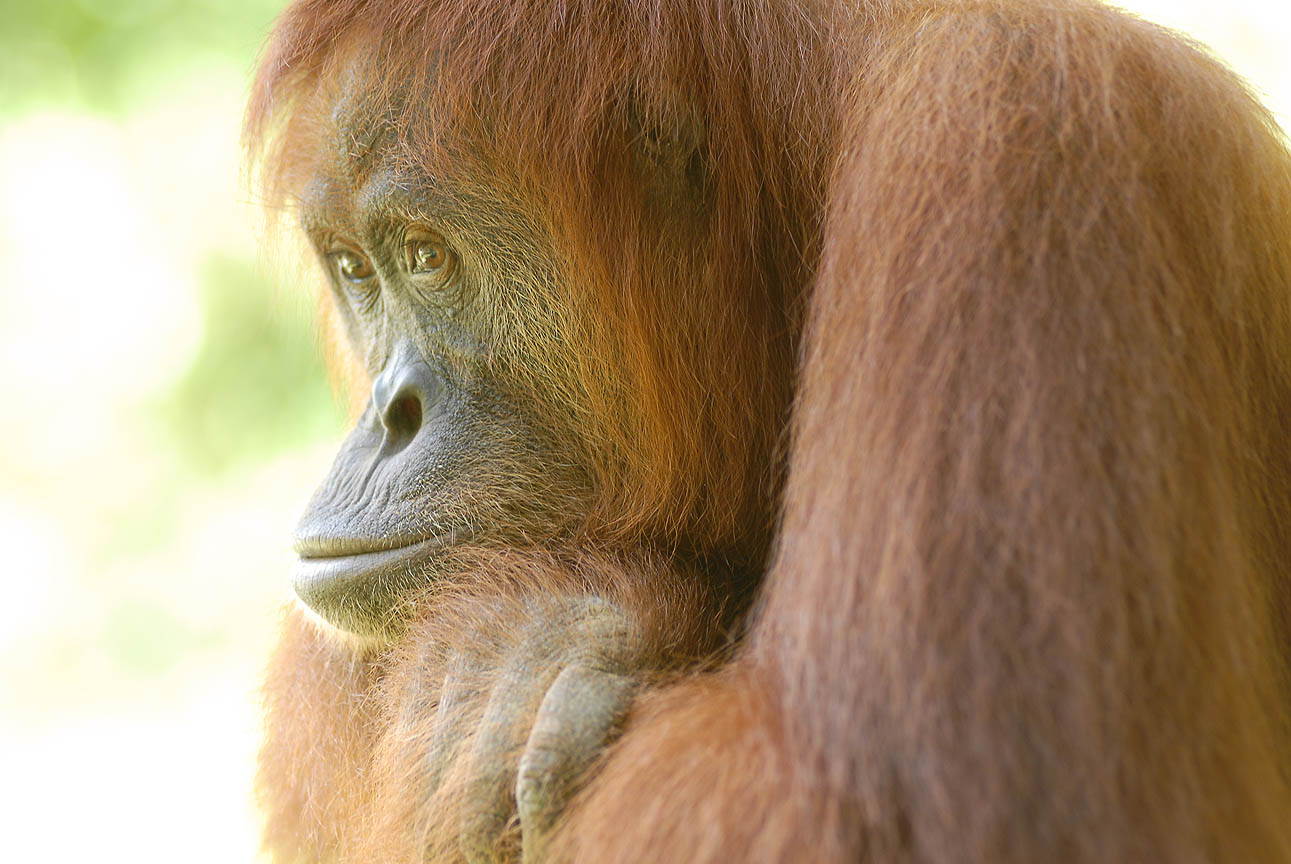
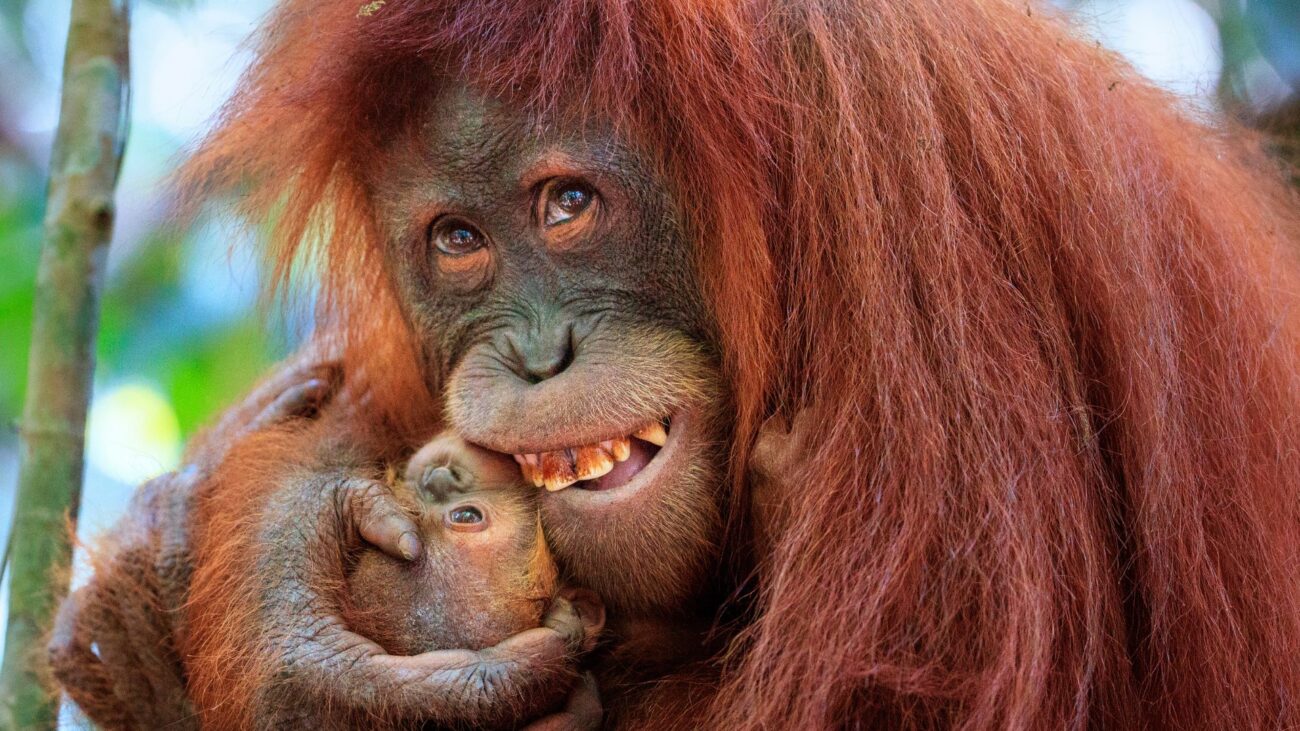
Chins are an evolutionary puzzle that has long baffled scientists. Although on first glance it may appear that other animals have chins, they actually have lower jaws that slope backwards. Humans are the only ones with a “true” chin — a protruding, triangular structure at the base of the lower jaw. But what purpose does it serve?
Over the years, many theories have emerged. Perhaps chins help us chew? Perhaps it aids our speech or provides protection to the face? But according to a new analysis of skull structure across ape species, the human chin didn’t evolve for a specific reason. Instead, it is a “spandrel” — a byproduct of evolution that has no real function.
The researchers studied chin variation across 532 skulls of humans and modern apes. They found no evidence of chins being shaped by direct selection. Instead, the study suggests that as the human face became smaller and flatter, it altered the structure of our jaws in such a way that a bony projection (the chin) remained at the base.
Put simply: chins evolved largely by accident. While the human face and jaw were under heavy pressure to change and shrink to accommodate walking upright and having bigger brains, our chins weren’t. They (quite literally) stuck it out. So, with no real survival benefit, let’s take this one on the chin. After all, we are the only primate that can!
 You can help protect Sumatra's Orangutans. Click to get updates