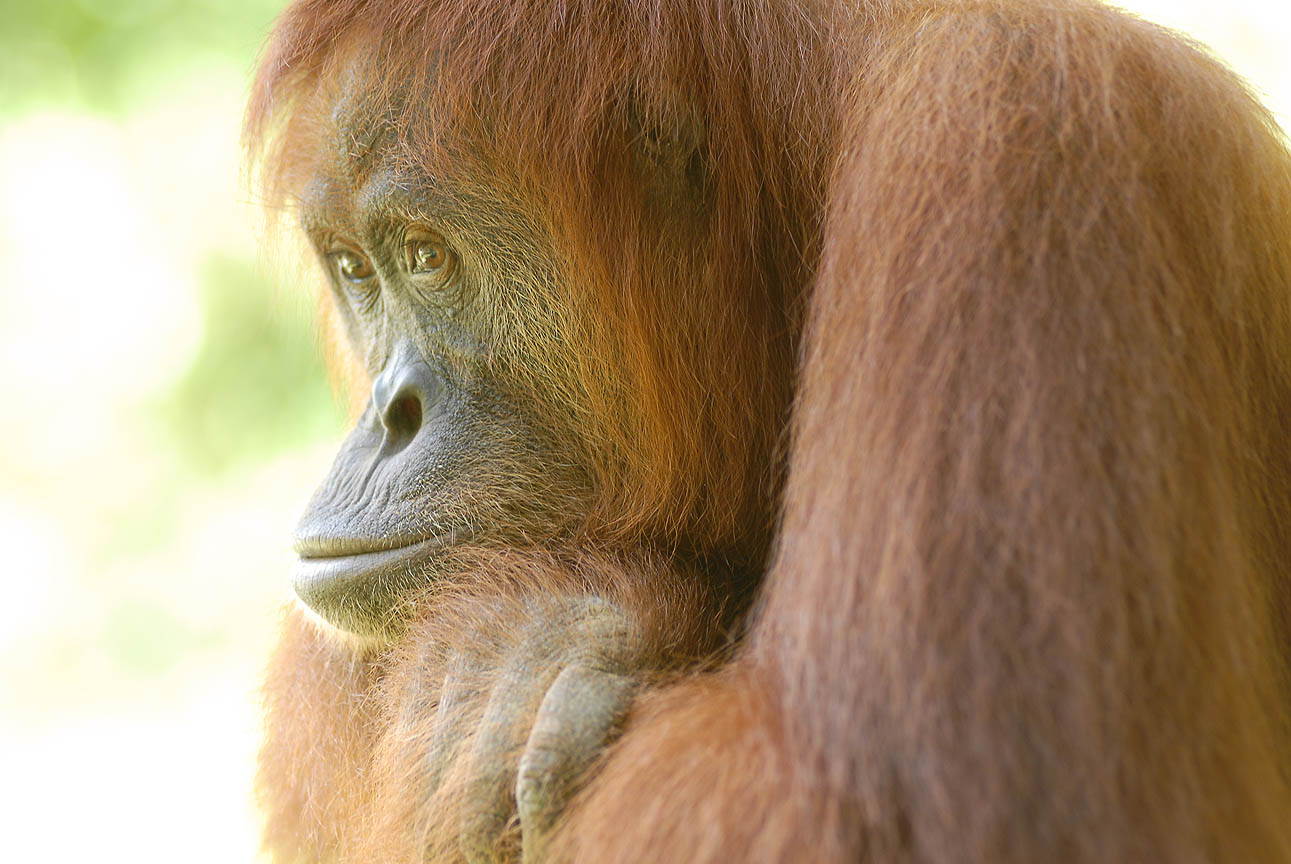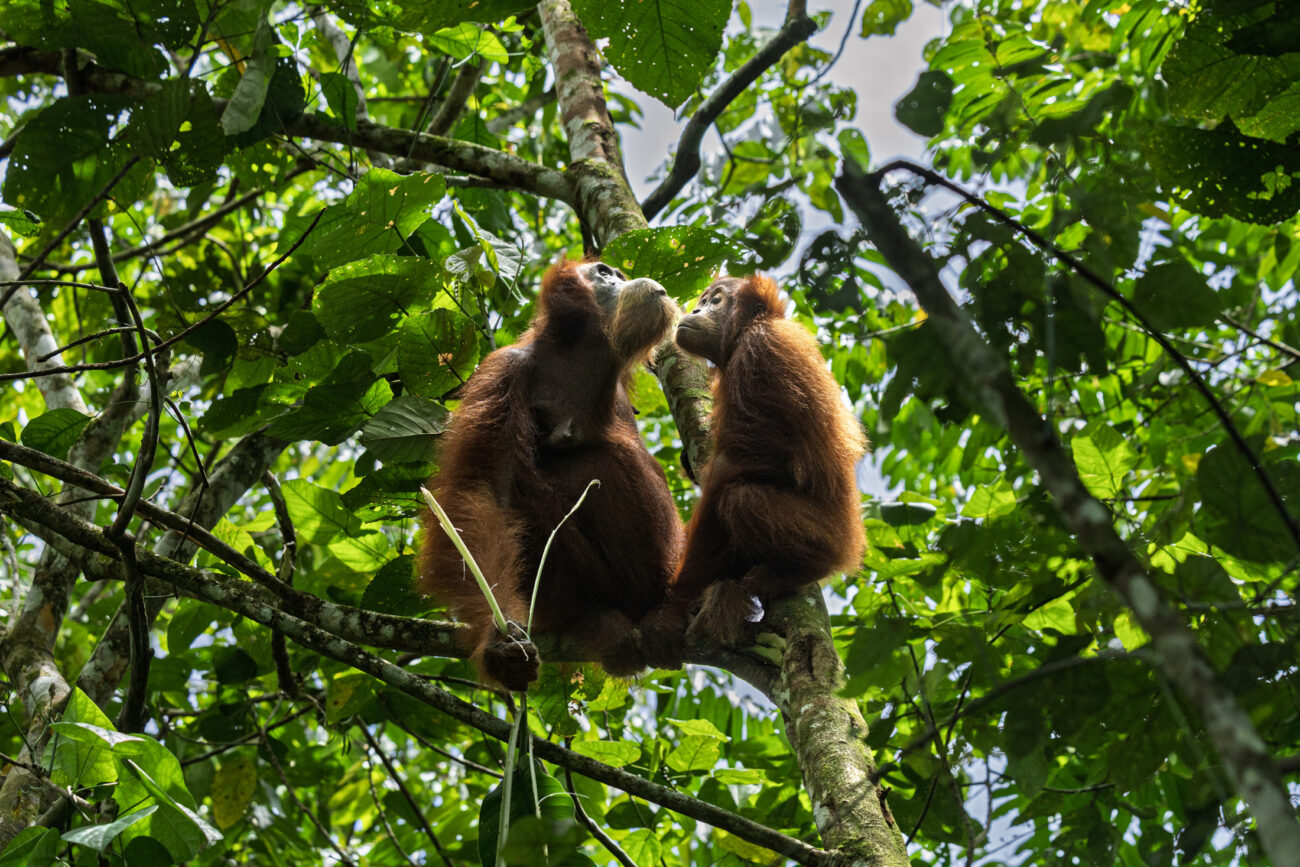
Photo credit: Zac Mills, the Wildlife Collective
To many people in western societies, orangutans are the cute, charismatic faces of wildlife conservation. But step into a village in rural Sumatra, and the story changes.
To those living alongside the forest, orangutans can often be seen as crop-raiding pests that threaten their livelihoods. Meanwhile, conservationists can be viewed as outsiders trying to restrict access to their ancestral land – further impacting the wellbeing of their families.
These frictions exist for good reason. For decades, traditional “fortress conservation” relied on fences, fines, and excluding local people. While this may provide protection for wildlife in the short term, it ignores complex human realities on the ground, meaning it simply doesn’t work long-term.
Effective conservation isn’t actually just about the orangutans. It is about balancing the socio-economic and political realities of the people who share their forest home. To protect orangutans, social sciences are just as vital as biology and ecology.

The forest and road on the of a village in North Sumatra.
Successful conservation requires a deep understanding of forest-edge communities; adapting to their unique situation, cultural values, and their relationship with land and biodiversity.
In some conservation programmes, anthropologists are viewed as a checkbox exercise, providing a baseline analysis of socio-cultural conditions. But our programmes are fundamentally different. Rather than hiring anthropologists as short-term consultants, SOS and our partners treat anthropology as a permanent, structural pillar of our programmes.
Our frontline partners embed environmental anthropologists directly within their field teams to continuously map local knowledge, social dynamics, and attitudes toward biodiversity. They act as trusted bridges between conservation agencies and local communities. This data allows us to:
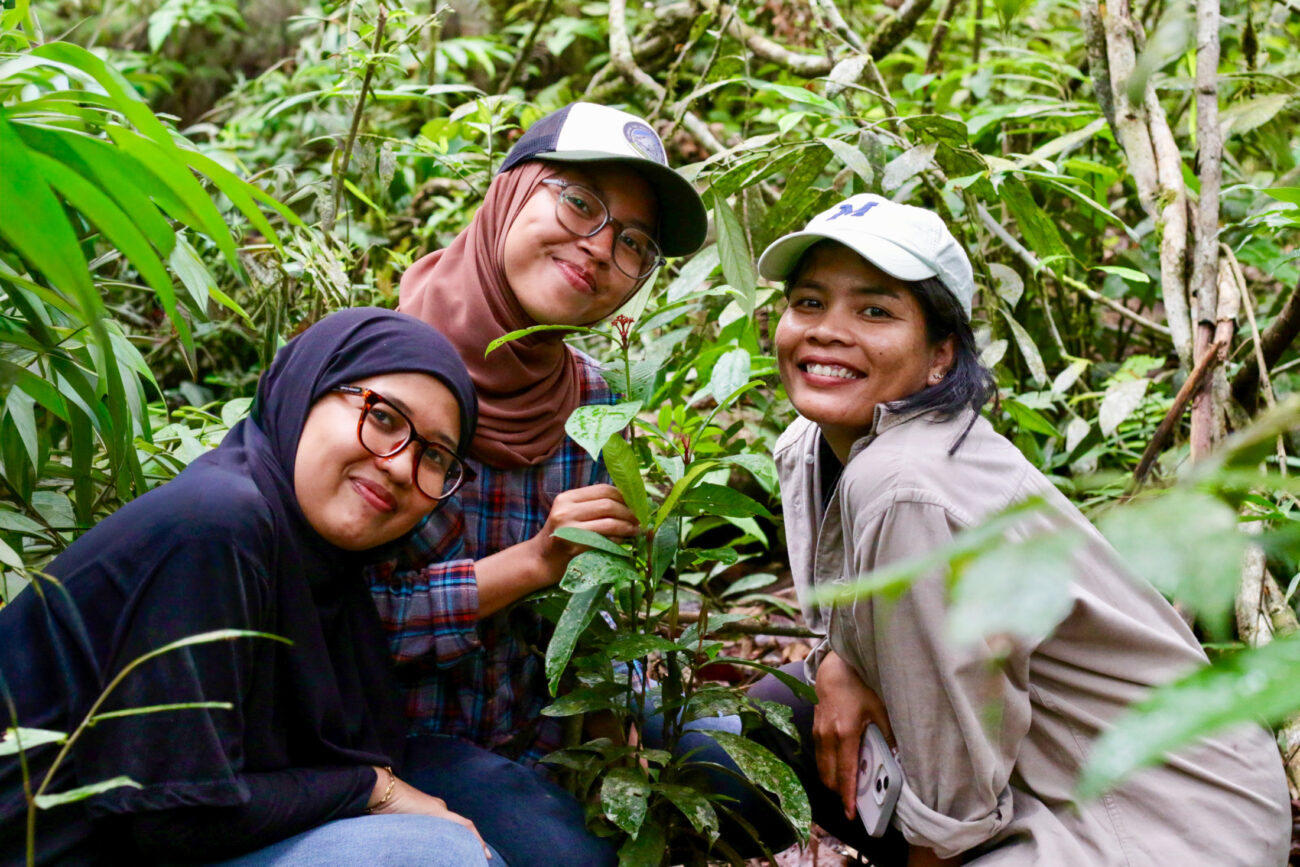
Team TaHuKah: A landscape manager, operations staff, and village facilitator.
Our partnership with TaHuKah is an excellent example of anthropology in action. We supported them in embedding anthropologists within the team, who receive mentorship and training from senior Indonesian anthropologists. The wider TaHuKah team have also participated in workshops on how to apply anthropological methods in the field.
To build genuine trust, these anthropologists live directly within host villages. They enter as humble guests, working, eating, and sharing knowledge alongside families.
While mapping kinship ties, land tenure, and gender roles might initially seem irrelevant to orangutan conservation, understanding this unseen social fabric is the only way to build strategies that respect both human survival and forest protection.
Relationship-building takes time, and the results (while not always easily quantifiable) speak for themselves. In one village, TaHuKah’s anthropologists found that historical clan disputes and kinship politics were shaping decision making, with concerns that conservation would threaten village economics.
However, through conversations with prominent women in the village, the anthropologists discovered that there was a strong interest in adopting their own permaculture gardens. TaHuKah were able to support a transition to these regenerative farming systems, reducing the need to expand into forests and enabling the landscape to be rewilded for orangutans.
Successful conservation relies on building trust, negotiating positions, and driving systemic change. If we want to protect biodiverse landscapes, we must accept that these spaces must also meet the needs of the people who call them home.
Environmental anthropologists are uniquely positioned to bridge the gap between nature and people – ensuring local communities are treated as respected, rightful partners in global conservation.
 You can help protect Sumatra's Orangutans. Click to get updates