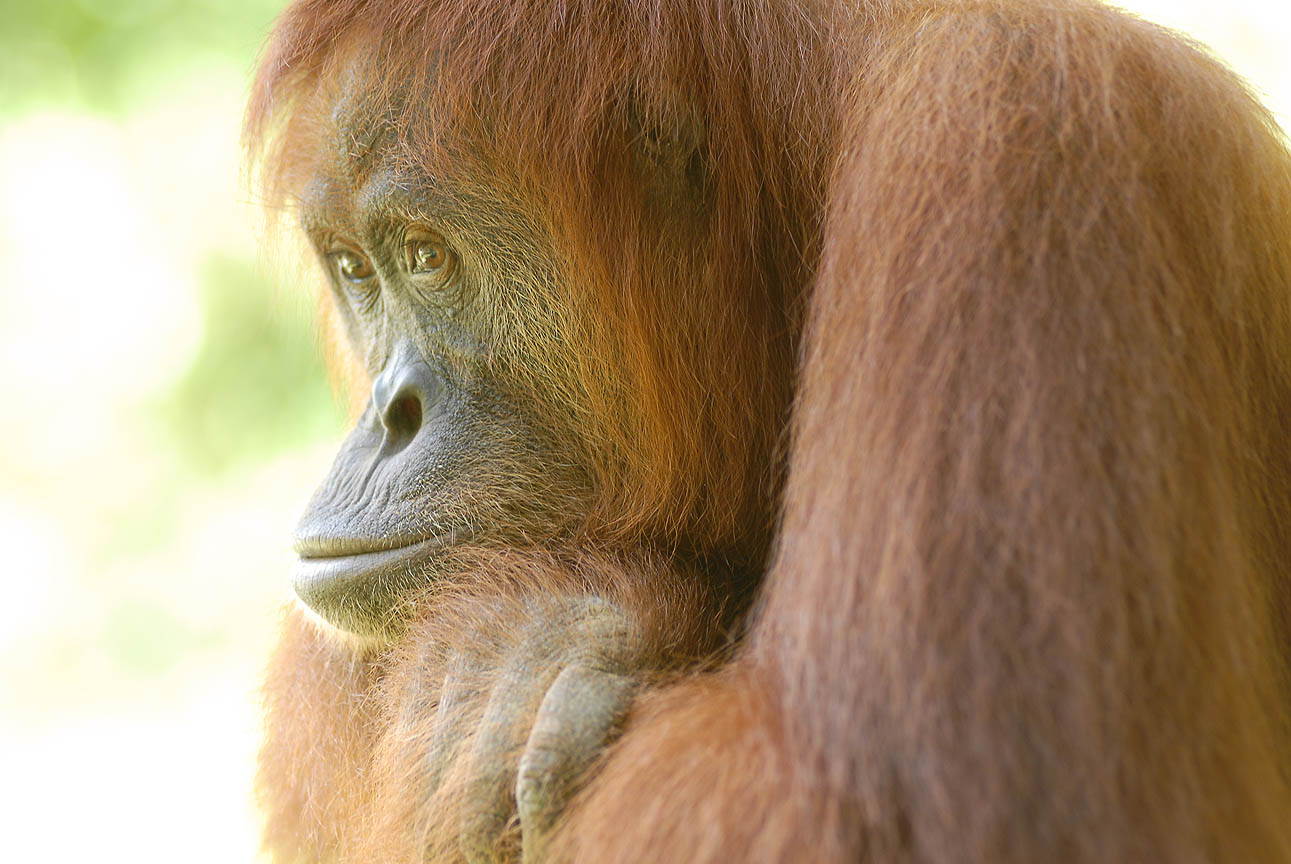
Earlier this year, a young male Sumatran orangutan crossed a public road using an artificial canopy bridge, and the footage made international headlines. It was a rare, uplifting moment: proof that a wild orangutan would use one of these structures when it needed to reach the other side.
That single crossing captured global attention, but ongoing monitoring by our frontline partner, TaHuKah, tells a much bigger story. Canopy bridges have already become a lifeline for a huge range of wildlife, and they remain one of our most practical tools for keeping Sumatra’s fragmented forests connected.
Roads slice through Sumatra’s rainforest and strand tree-dwelling animals in isolated patches of forest. Forced onto the ground to forage or find mates, they run into danger from predation and vehicles.
The new data shows just how well these simple rope structures do their job. Over three months, cameras recorded ten different species crossing regularly, on top of the orangutan sighting that made headlines earlier in the year.
The Sumatran surili, or black langur, made dozens of trips across the ropes. Pig-tailed macaques, crab-eating macaques and siamangs were also seen crossing.
The bridges stay busy after dark, too. Night-vision cameras caught nocturnal animals making the crossing in total darkness, including Asian palm civets, masked palm civets and yellow-throated martens. Smaller mammals used the network as well. Black giant squirrels and Prevost’s squirrels crossed daily, and one camera logged a Sunda flying lemur, or colugo exploring and licking around the bridge.
Every crossing matters. Whether it’s a civet moving at midnight, a langur troop travelling at noon, or an orangutan pushing into new territory, these structures let animals move freely again.
Each species also does something for the forest itself. Orangutans are heavy-duty seed dispersers. They eat large fruits whole and drop the seeds kilometres from the parent tree. When they snap branches to build a fresh sleeping nest each night, they open gaps in the upper canopy that let light reach saplings growing on the forest floor below.
Civets take the night shift. They swallow fruit in the dark and pass the seeds undamaged across wide territories, planting trees while everything else sleeps.
Langurs and macaques prune the canopy simply by foraging in troops. Their sloppy eating drops half-finished fruit and leaves to the ground, feeding species that can never climb high enough to reach it themselves.
Cut the road connection and all of this stops. The seeds stay put, the light gaps close over, and the forest floor loses its food supply. Canopy bridges are a direct, practical answer to forest fragmentation. They keep the whole ecosystem running, for animals of every size, around the clock.
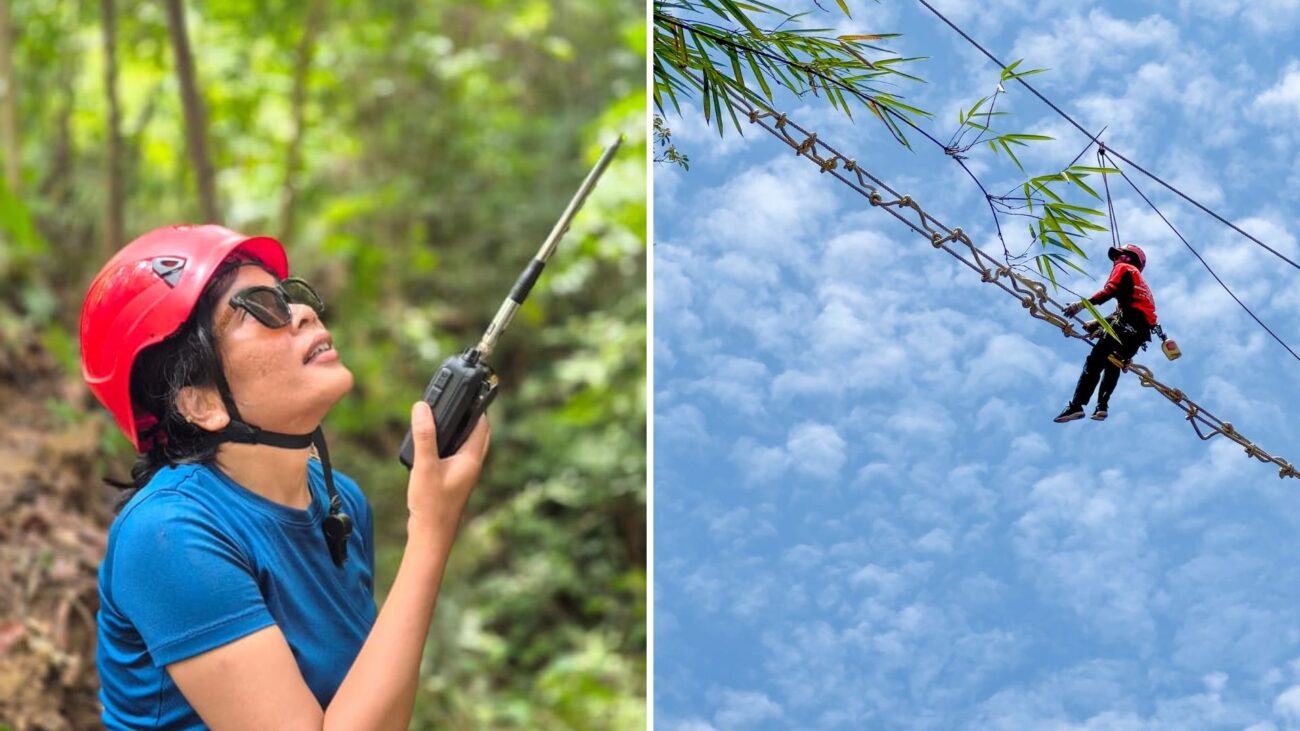
Getting this footage is hard, physical work. TaHuKah work alongside patrol staff from nearby communities to keep the bridges running. They haul climbing kit deep into the forest, scale the trees, swap out battery packs and check every anchor point on every bridge. It’s slow, unglamorous work, and it’s the only reason the monitoring never stops.
None of it happens without our supporters. Your donations pay for the equipment, the climbing gear and the community patrols that keep these paths open and monitored, and every one of the crossings happened with your support.
Between March and June 2026, field teams retrieved camera trap data from five monitored bridges on the Lagan-Sibagindar road in West Toba. The footage confirms that an entire community of tree-dwelling animals now relies on these ropes to move safely through the landscape.
 You can help protect Sumatra's Orangutans. Click to get updates