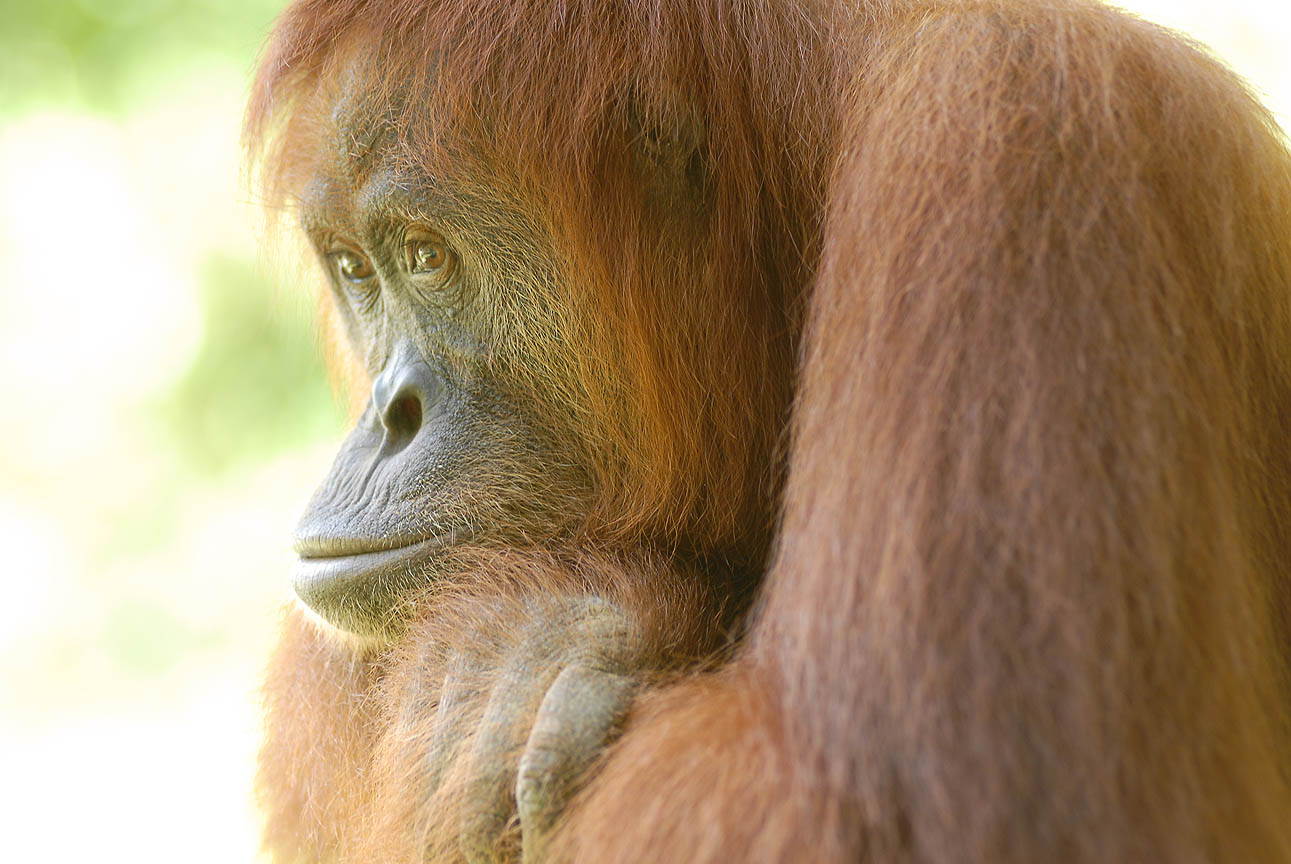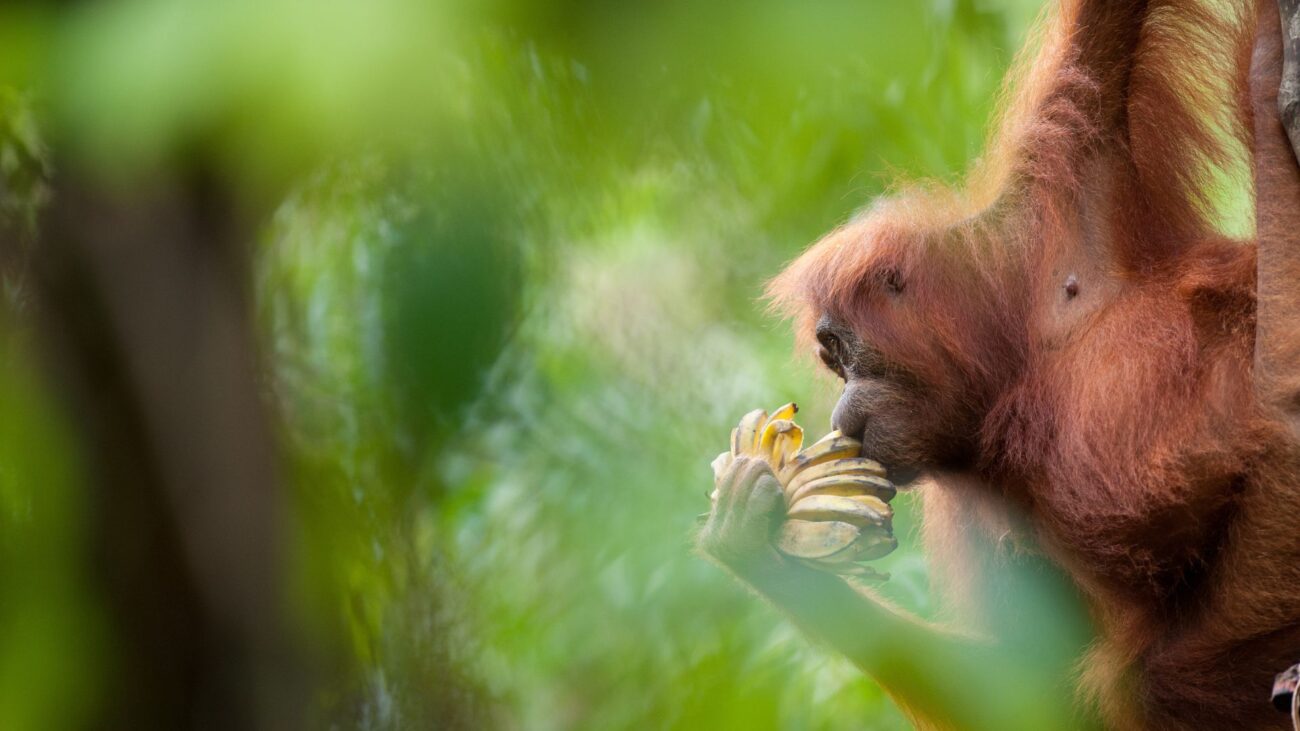
Orangutans have a wide and varied diet, which goes beyond what any single individual could acquire in one lifetime. Their sophisticated mental catalogue of plants and animals is the result of generations of experience and innovation. This is passed down through social learning, primarily through their long relationship with their mothers.
But would it be possible for a young orangutan to develop this knowledge on their own? To find out, researchers turned decades of data into a simulation model. This allowed the team to play out an orangutan’s life from birth to fifteen years old, and create virtual scenarios in which the individual was cut off from social interactions.
In the virtual forest, youngsters began life with zero knowledge about food. Using three forms of social learning, the youngster could choose whether to explore new foods or ignore them. When all three forms of learning were available, the simulated orangutans reached the full catalogue of foods by around 7.5 years old – just like real life.
But what happened when social learning was stripped away? Without “peering” at others, the youngster reached only 85% of the full diet. Without the other forms of social learning, food development stalled completely. This shows that exposure and contact with food are not enough; culture is essential to orangutan diets.
This research holds real urgency for conservation. Cultural knowledge is transmitted in a brief, early-life window. If this critical period is disrupted by habitat loss or social fragmentation, we risk losing both population numbers and invaluable culture. Orangutan conservation protects lineages of knowledge just as much as lineages of genes.
 You can help protect Sumatra's Orangutans. Click to get updates