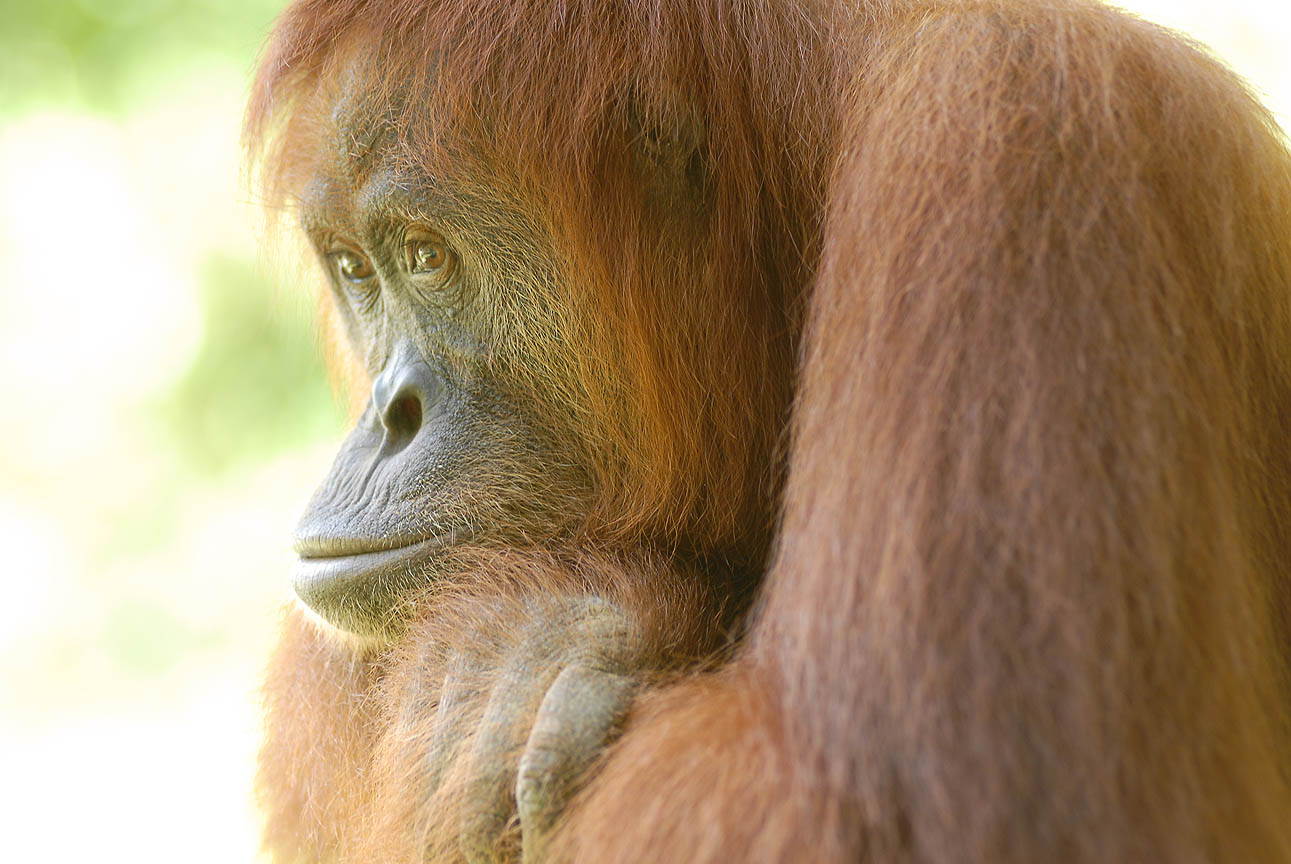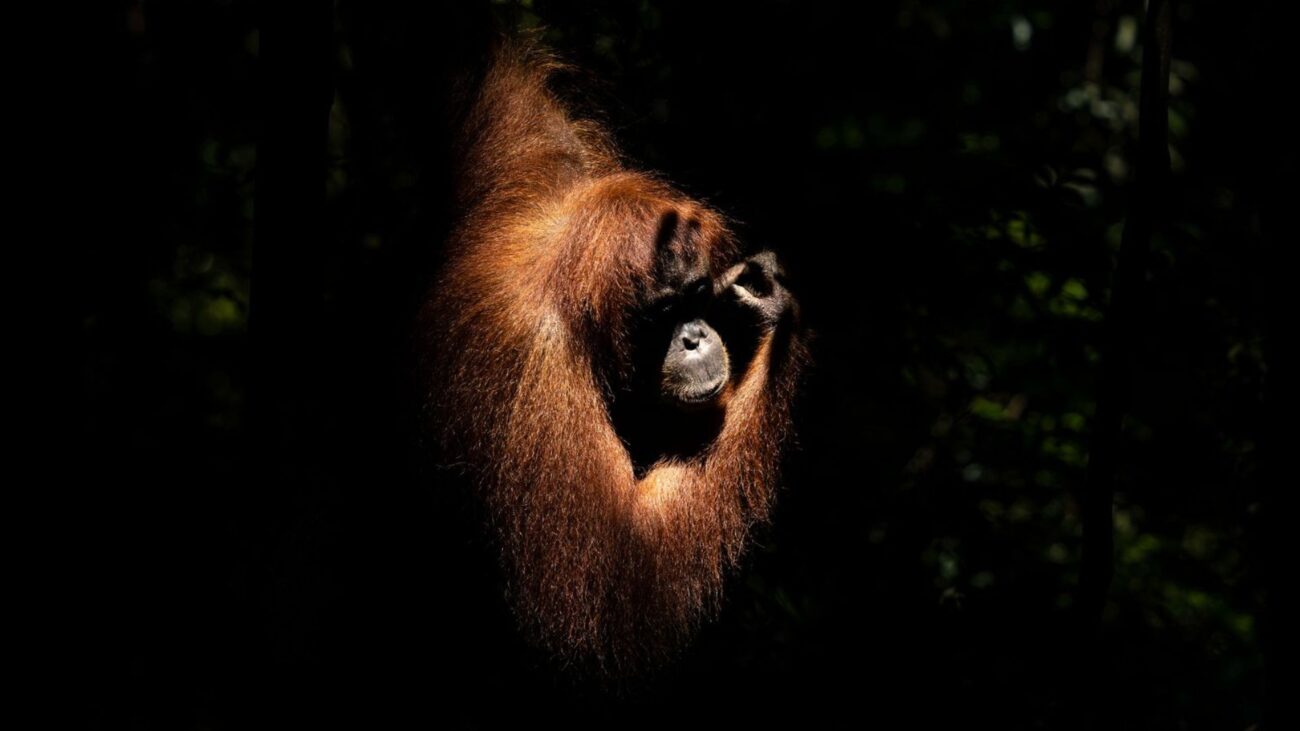
Orangutans are the quietest and most solitary of the great apes. Yet, they are the only nonhuman primate known to display two key features of human language. The first is talking about the past. Mother orangutans will see a predator (like a tiger) and stay silent as they climb to safety. They will wait up to 20 minutes after the threat has passed to give an alarm call.
This teaches their infants about a past danger without exposing them to immediate risk. The second feature they share with human language is layered sounds. Orangutans create complex calls by nesting rhythmic sound patterns inside other patterns. This poses the question: how does a mostly solitary creature develop such unique and complex communication?
A new paper argues that silence is actually the key to developing complex communication. Think of it this way: imagine a noisy, chatty group. If an animal tries to make a long, complex call or delay a vocalisation to talk about the past, noisy group members will interrupt. Constant chatter forces signals to remain short, simple, and immediate so they don’t get drowned out.
But in quiet, dispersed environments, signals have space to unfold. Listeners need time, patience, and self-control (vocal suppression) to sit back, listen, and process complex patterns without interrupting. For the evolution of language, silence really is golden. So, it turns out that complex language isn’t about being a good talker — it’s about being a good listener.
 You can help protect Sumatra's Orangutans. Click to get updates