Gita Defoe
Despite delays, this announcement sends a clear message: the UK is taking action to protect forests, people, and wildlife. Timing this announcement with London Climate Week (and ironically, amidst a severe heatwave in the UK) only underscores the urgent need to halt global forest loss.
While legislation alone won’t solve the conservation and climate crises we face, this is a significant step forward. But what does this mean for your shopping basket? And how will these regulations help wild orangutans?
To understand what these changes actually mean, it helps to unpack a few key terms and see how the UK regulation compares to our neighbours in the EU.
What is a forest-risk commodity?
Forest-risk commodities are globally traded goods that are considered the primary drivers of forest loss. When land is cleared on a large scale to graze cattle or plant crops like soy and oil palm, these goods become “high-risk” for the environment, and so require extra regulation.
What is the difference between legal and illegal deforestation?
Illegal deforestation means the forest was cleared in violation of local laws in the country of origin (e.g., clearing protected national parks or logging without permits). Whereas legal deforestation occurs when local governments permit the clearing of land for agricultural expansion.
In simple terms, the UK government will require businesses trading in forest-risk commodities to trace where they come from, assess the risk of illegal deforestation, and take action to address it. The aim is to ensure supply chains are free from products linked to illegal deforestation.
The rules are expected to come into force in 2027, and current proposals suggest that companies with an annual turnover of more than £1million will need to comply
However, the new regulations will focus on illegal deforestation only. This differs from the EU Deforestation Regulation (EUDR), where businesses must go one step further, and ensure products are fully deforestation-free.

Photo credit: Zac Mills, The Wildlife Collective
Sumatra’s rainforests are some of the most biodiverse places on Earth. But they are also under intense pressure from agricultural expansion (driven by the global demand for timber, rubber, and oil palm), alongside the development of roads and other essential infrastructure.
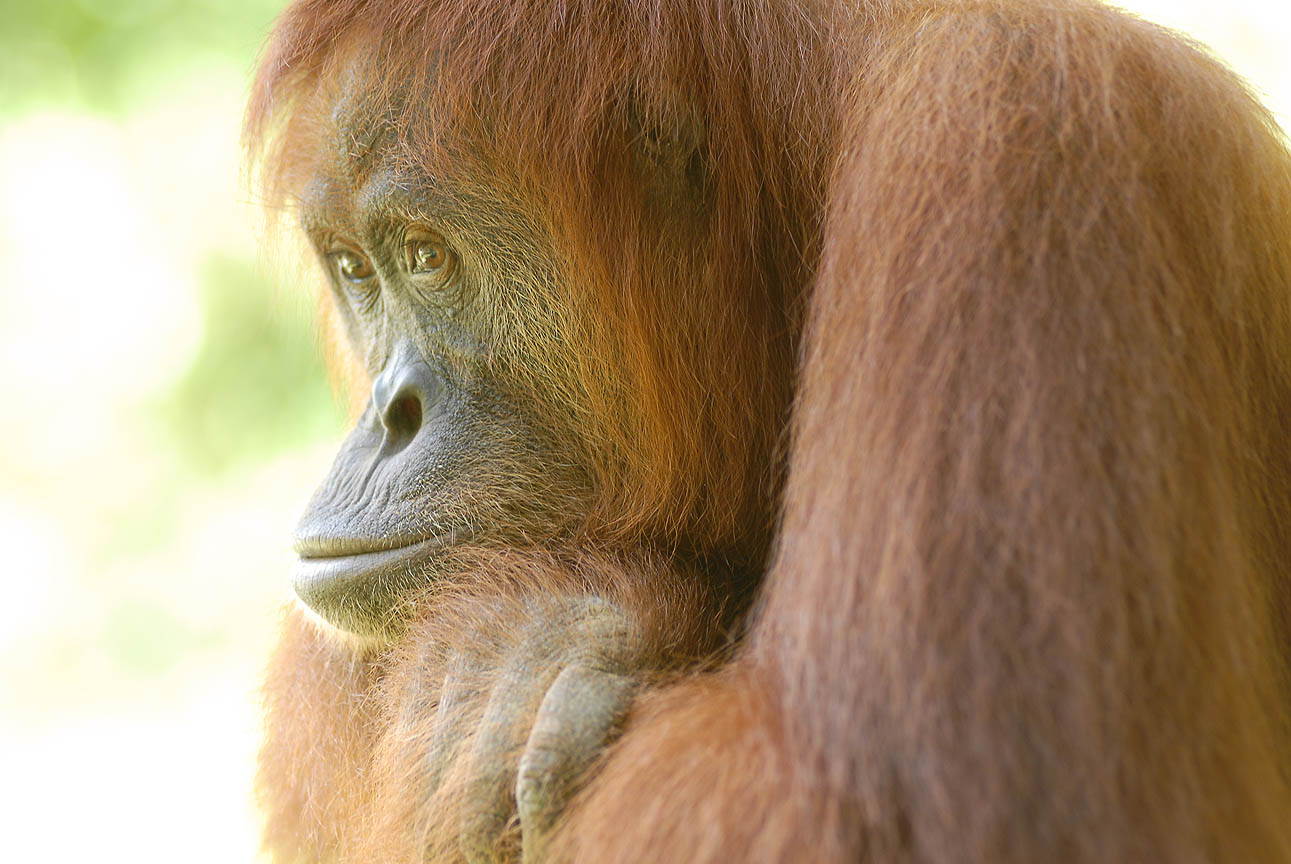
This forest fragmentation leaves critically endangered Sumatran and Tapanuli orangutans isolated in shrinking pockets of forest.
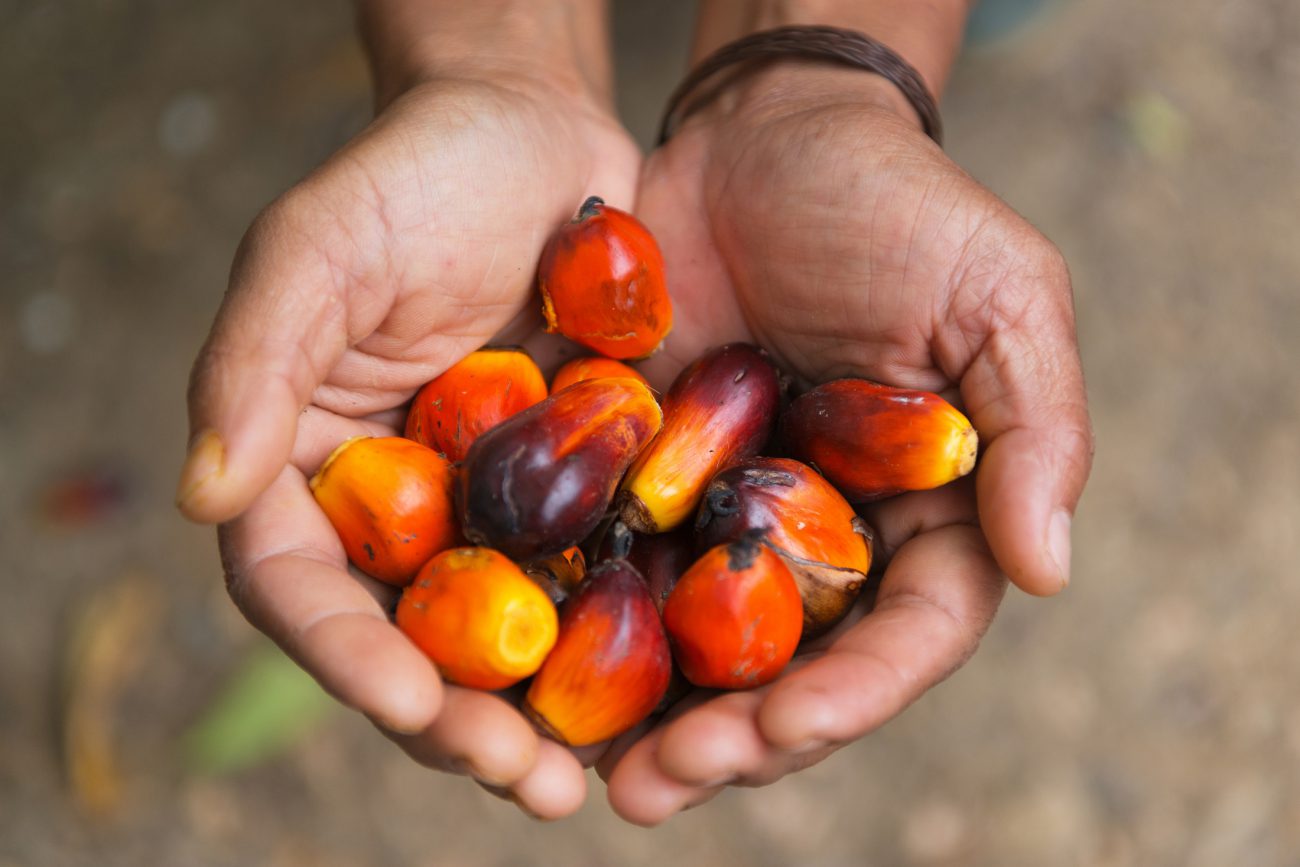
By mandating that UK businesses trace their supply chains, these regulations make it significantly harder for illegal palm oil to make it into the UK market. This removes the market incentive and over time, helps to keep forests standing – giving orangutan populations a chance at recovery.
Cleaning up the UK, and EU, supply chains is an important step in meeting commitments made in 2021 at COP26, where 137 countries signed the Glasgow Leaders’ Declaration on Forests and Land Use, committing to halt and reverse global forest loss and land degradation by 2030.
The framework is set, but the finer details still need to be ironed out. A formal consultation process will open later this year to determine the specifics of monitoring and enforcement:
We’ll be keeping a very close eye on this consultation process. Subscribe to our emails for the latest updates and learn how you can help us advocate for wild orangutans.
In the meantime, you don’t have to wait until 2027 to make a difference. Download the Palm Oil Scan App: Use it while you shop to instantly check if the products in your basket use sustainable, forest-friendly palm oil.
 You can help protect Sumatra's Orangutans. Click to get updates