Now, a new study led by the Durrell Institute of Conservation and Ecology (DICE) shows an incredible 26.8% of land is already under some form of conservation — if we include national reserves and community-managed lands alongside official protected areas.
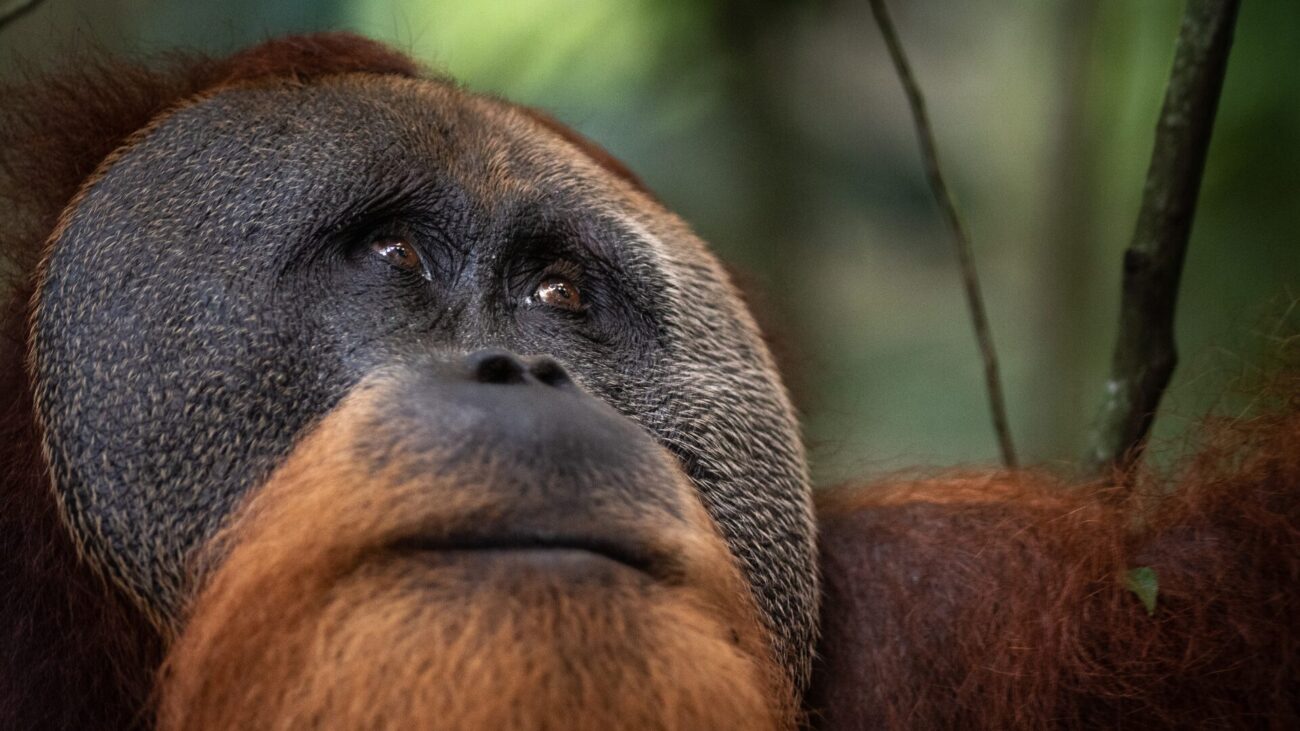
Photo credit: Andrew Walmsley
As part of global efforts to address the biodiversity crisis, governments pledged to conserve 30% of land and sea by 2030. While official counts show only 18.5% of land protected, an international team of conservation experts has evaluated datasets across 25 countries. They found that almost 27% of land may already be conserved.
The study accounts for unlisted national reserves and OECMs – lands managed by local communities, Indigenous Peoples, or private owners that protect nature. This means we are closer than ever before! But gaps remain in the world’s network of conserved areas, and protected sites are disproportionately located in remote, high-altitude, or desert biomes.
For conservation to succeed, researchers state that protected networks must be well connected, fill habitat gaps, and be managed effectively and fairly – especially for local communities. To protect wild orangutans, the location and quality of protected areas matter far more than reaching a total percentage point target.
This research proves that connecting fragmented forests is key to building a resilient future. Working with our Indonesian partners and alongside local communities, we’re restoring the forest pathways orangutans need to survive. Together, we can secure a thriving future for wild orangutans.
 You can help protect Sumatra's Orangutans. Click to get updates