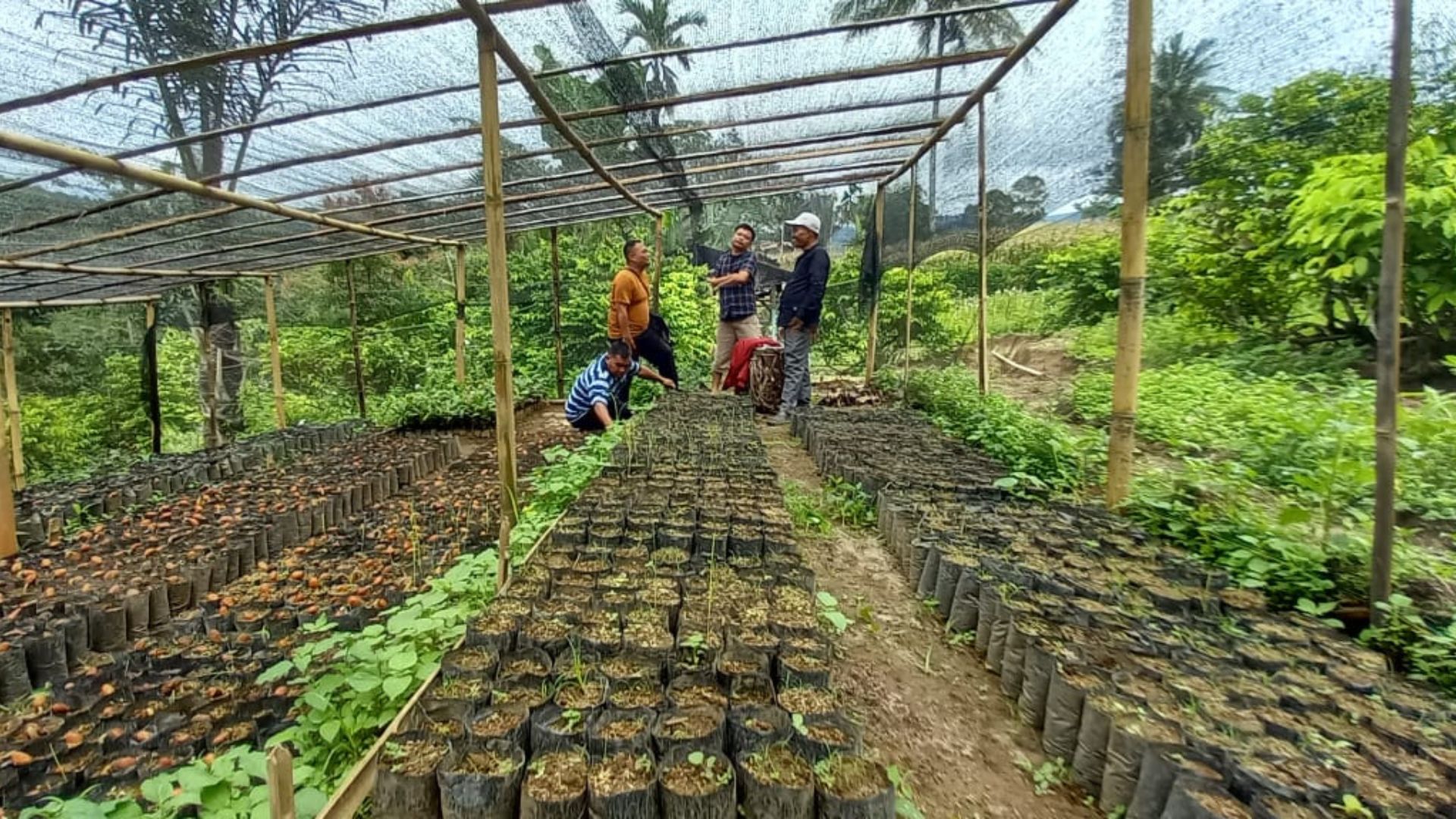
The village nursery with diversified crops like coffee, durian, and mangosteen.
Agroforestry is a land-use system that deliberately integrates trees and shrubs with agricultural crops to create sustainable, productive, and diverse landscapes.
Unlike monoculture farming systems – which clear vast areas of land to grow a single crop – agroforestry encourages diversity in crop production, and focuses on adding a buffer zone between forests and farms.
Regenerative agriculture is a farming and land-management approach that deliberately restores soil health, biodiversity, and water cycles to create resilient, self-sustaining agricultural ecosystems.
It is the overarching approach to agriculture which protects the entire ecosystem and climate, as well as local people and livelihoods. Agroforestry is a tool to achieve regenerative agriculture and is one of the fastest ways to support regeneration.
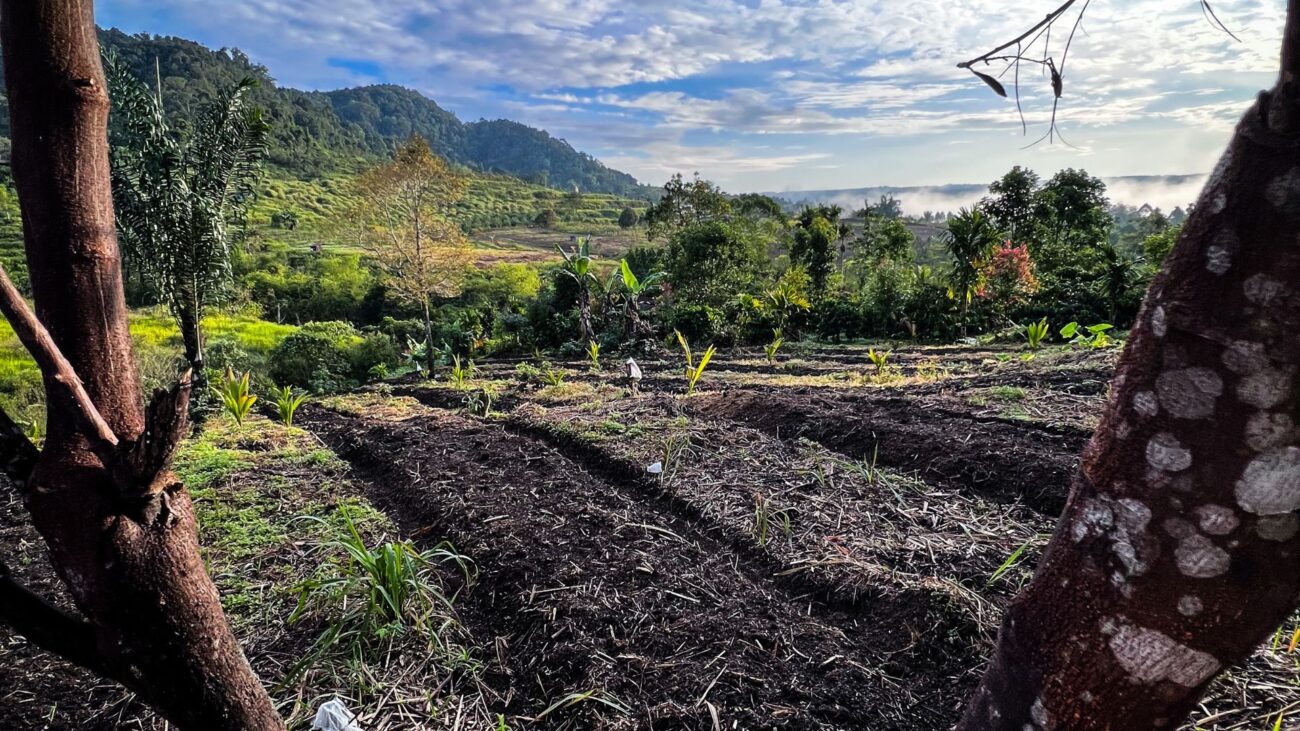
A freshly hoeed garden in West Toba, ready for planting.
In orangutan landscapes, agroforestry can help local communities to restore degraded forest, build resilient ecosystems, and develop productive farmlands.
Although agroforestry is a powerful tool for conservation, it cannot work in isolation. To be most effective, these schemes must be paired with certification, policy, and on-the-ground habitat protection.
When forest-edge communities rely on a single crop, a bad harvest or market crash can be catastrophic for families. In desperation, villages may expand deeper into the forest just to survive.
In orangutan landscapes, agroforestry can change this dynamic by diversifying income streams and developing better economic resilience for communities. By making existing agricultural land more productive and economically resilient, agroforestry can reduce pressure to expand into surrounding forests.
When combined with secure land rights, community-led conservation and effective forest protection, it helps communities meet their needs while reducing incentives for forest conversion.
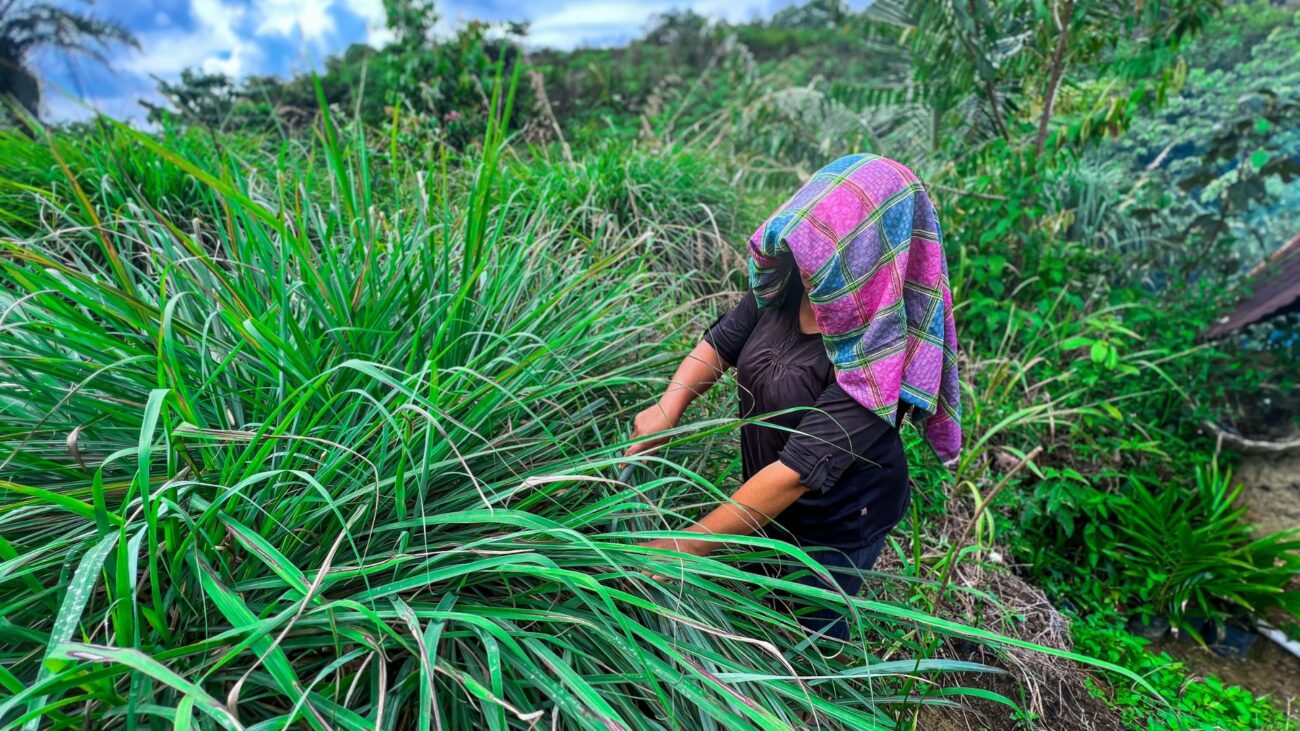
The community harvest citronella leaves by hand with a sickle
Our conservation partner, TaHuKah, are embedded within forest-edge communities. By living and working within these villages, the team can build genuine trust over time. This close relationship allows TaHuKah to gain a clear picture of each village’s unique needs and aspirations, helping them to create tailored solutions that directly support the local people.
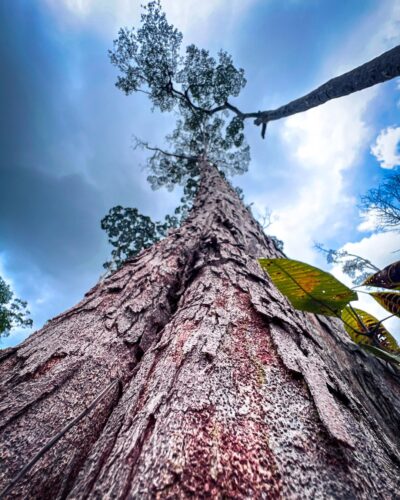
The trade of camphor oil is deeply woven into the cultural fabric of West Toba. Historically, trees were cut down to harvest the medicinal crystals found inside, which pushed the camphor tree onto the rare species list. Now, TaHuKah is supporting villages in the area to grow camphor seedlings, planting them back into the forest to heal the land and protect the soil from erosion.
Juang, our storyteller, explored the importance of camphor trees in one village;
“The ancestors of this village were involved in the ancient camphor trade, and it is said that the products derived from this area were used for preserving the bodies of the pharaohs in ancient Egypt. According to the village head, there were hundreds of hectares of ancient camphor forest around the village that used to have crystal residues equivalent in value to pure gold.”
“In the customs of the village, camphor trees in the forest cannot be claimed as the property of a particular individual or family. In other words, no one has exclusive rights to take crystals or tap oil from the camphor tree. It is believed that the camphor tree often chooses to give its crystals or oil to someone who is experiencing economic difficulties, such as being in debt or needing funds for food or medical treatment.”
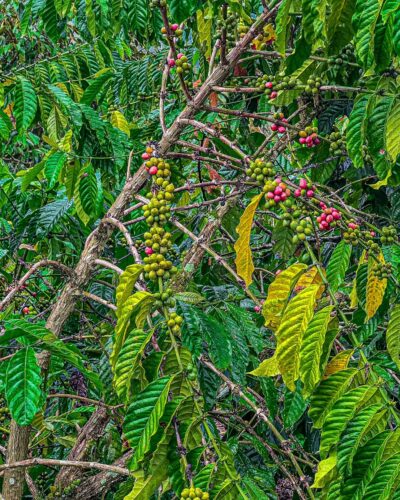
While camphor represents a return to traditional farming methods, some farmers are now delving into cacao and coffee cultivation.
Juang explores the development of newer crops within supported villages;
“Despite being accustomed to growing rice, corn, and oil palm, some farmers in the village are now delving into cacao cultivation, and others venturing into the world of lowland coffee cultivation, with hopes of diversifying their income streams.”
“With a willingness to learn and experiment, they are expanding their knowledge and adapting to new techniques, embracing the potential of these new crops for their livelihoods. They are excited to learn and experiment, looking forward to the day when they can finally harvest the fruits of their labor.”
At SOS, we know that the future of orangutans and their forest home is inseparable from the wellbeing of local people. Conservation can only succeed in the long-term when local communities have secure rights to manage their lands and access to sustainable livelihoods.
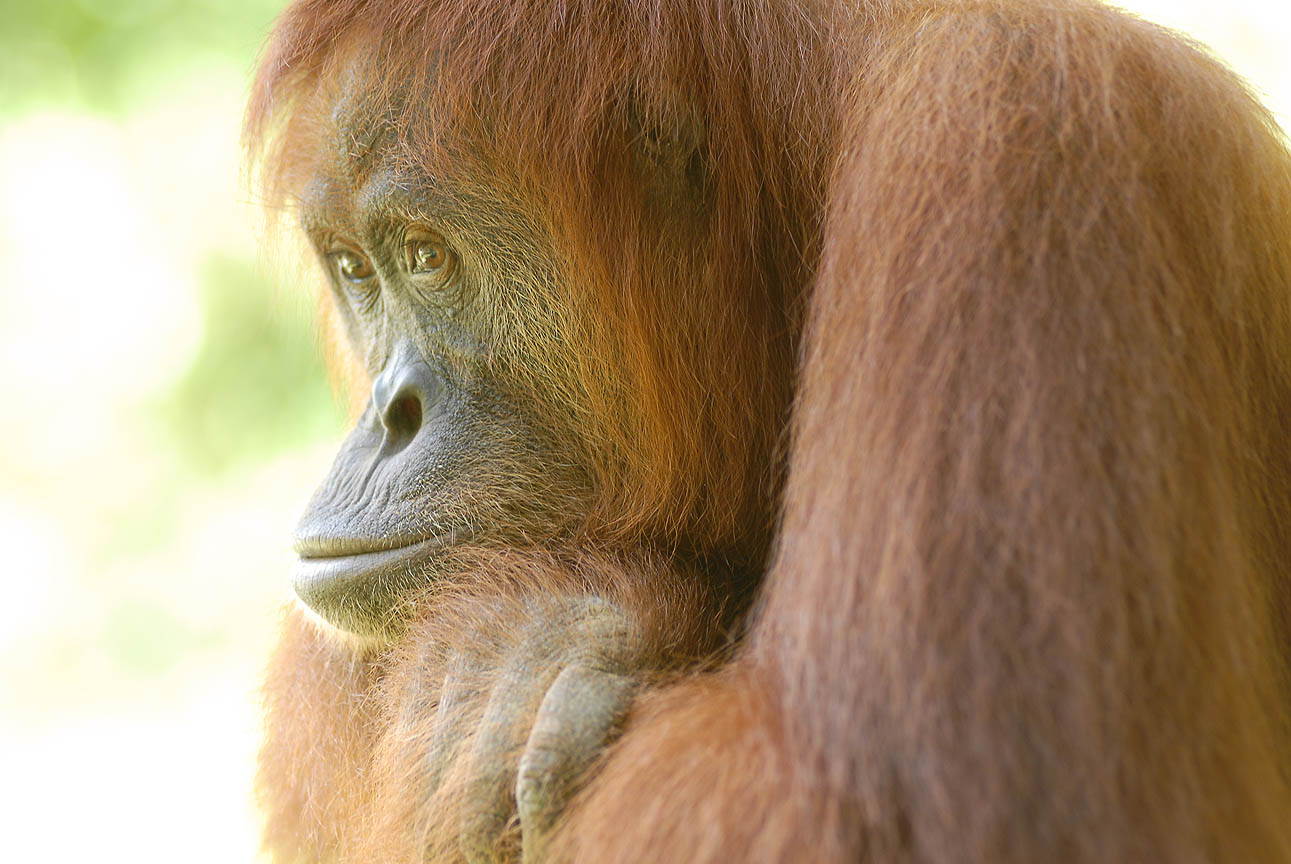
By aligning community prosperity with biodiversity protection through agroforestry schemes, we can cultivate a future where both people and wild orangutans thrive together.
 You can help protect Sumatra's Orangutans. Click to get updates