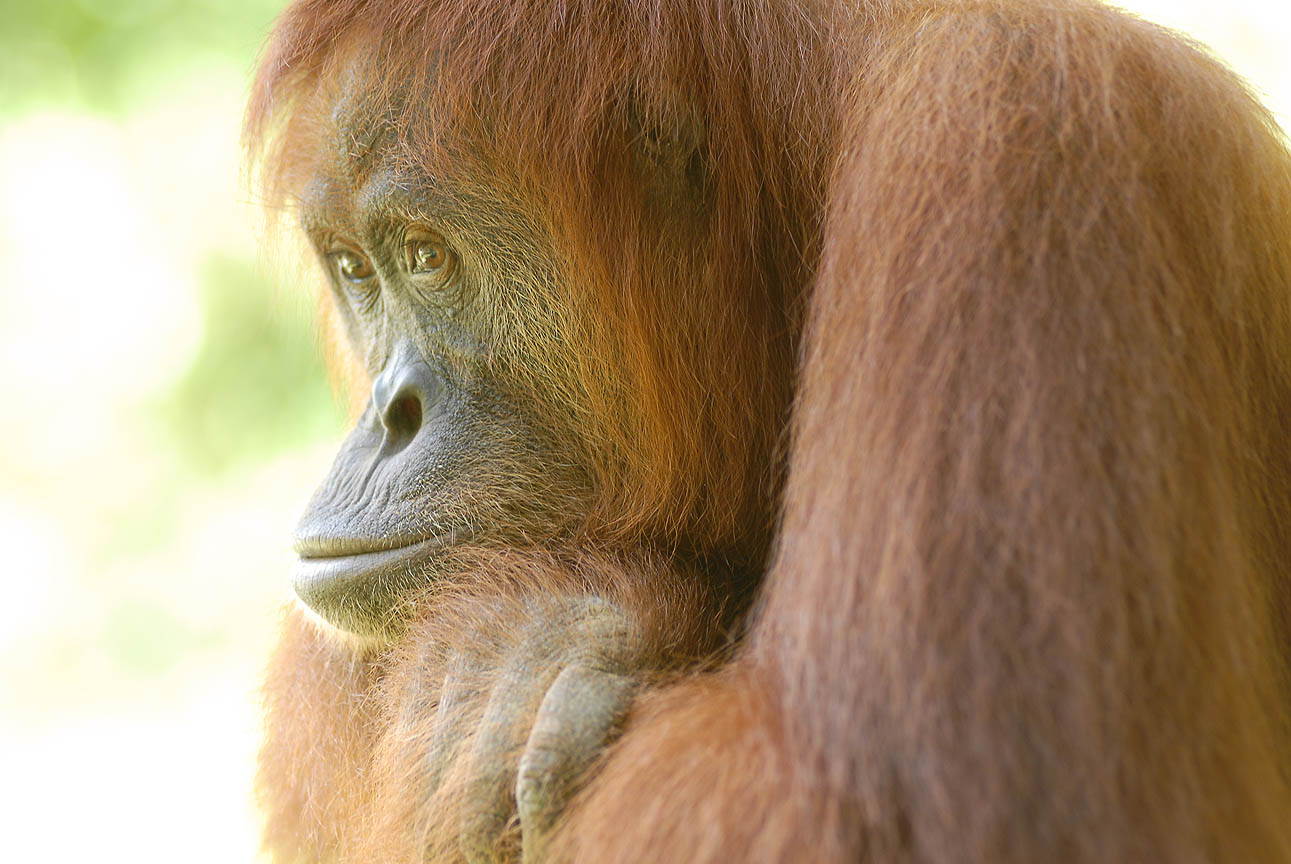
Videos of the tiny monkey dragging his orangutan cuddly toy through the enclosure sparked a global wave of sympathy. The response was wild: the IKEA orangutan toy quickly sold out in stores, and the zoo experienced a surge in visitors, with some traveling for hours to catch a glimpse of Punch.
Most alarmingly however, some people made offers to buy Punch – and this is the crux of the problem. This heartbreaking story masks a darker reality about how we perceive wildlife, and how viral sensations can fuel the exotic pet trade.
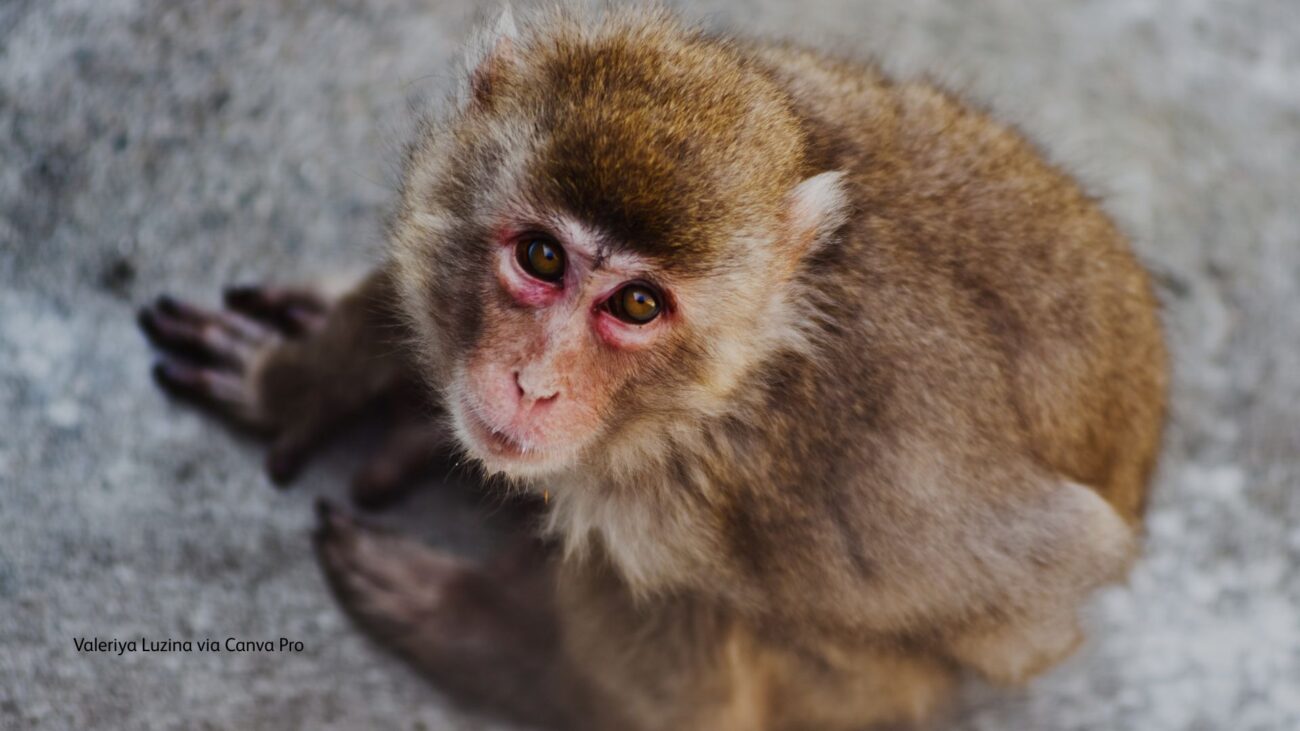
When we see primates behaving in a similar way to humans, whether that’s wearing clothes, living in a home, or clinging to a cuddly toy, we stop seeing them as wild animals. We start seeing them in a similar way to human infants who need our care.
Research shows that online content about wildlife – whether it’s selfies with primates or AI-generated videos – fuel the illegal wildlife trade. People are more likely to want a primate as a pet if they see it in a domestic, cute, or funny setting. By portraying vulnerable monkeys and apes as gentle and friendly, this increases the desire to own them as pets.
We can see this happening already with Punch. People offering to “buy him” or queuing for hours just to see him, demonstrates a demand for macaques as pets. The value of these primates will spike and in turn, so will the illegal wildlife trade.
Although these acts of sympathy and support towards Punch may be well-intentioned, the monkey mania could inadvertently drive the exotic pet trade.
Additionally, seeing primates expressing unnatural behaviours (like bonding to a stuffed toy, as human children do) normalises it. These unnatural behaviours are no longer seen as red flags, they become the new normal.
We humans also tend to misread non-human primate body language. For instance a “smile” on a macaque is often a fear grimace or perhaps a submissive grin. This is a sign of stress not happiness – and the same is true of orangutans. Memes and viral videos strip away this important context.
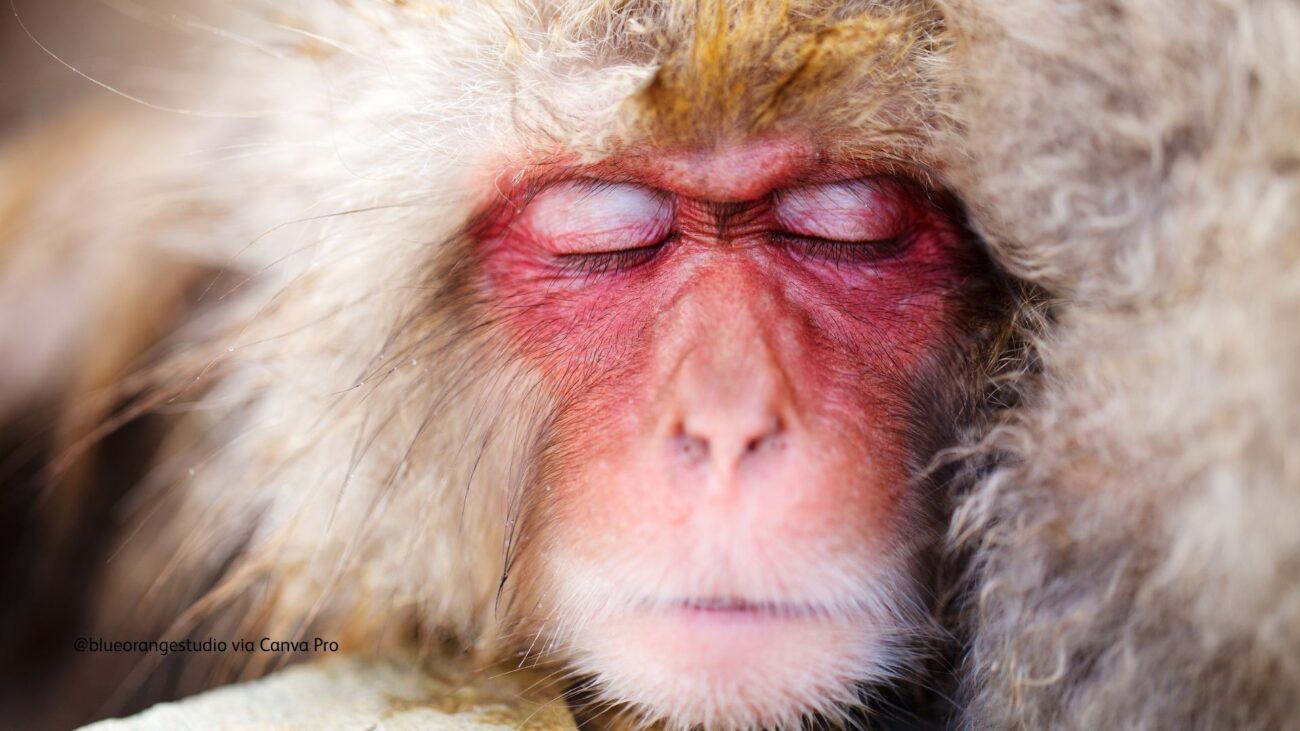
In the 1950s, there was a famous study by psychologist Harry Harlow in which rhesus macaques were taken from their mothers and placed into a cage. The infants were presented with a “wire mother” that provided food and a “cloth mother” that provided comfort.
Harlow assumed the monkeys would bond with the wire mother, as she provided nourishment – something essential to their survival. Yet overwhelmingly, the baby monkeys formed close attachment to the cloth mother.
In that moment, scientists realised that closeness and comfort is the basis of attachment, and that emotional nourishment is just as important as physical nourishment.
What does this have to do with Punch? His bond with the orangutan toy is a survival mechanism. Punch has formed a close attachment with the toy, seeking closeness and comfort in times of stress. But a stuffed toy is an emotional crutch. It does not replace the bond between mother and infant. The orangutan toy cannot teach Punch social hierarchies and norms, it cannot comfort or groom him, or even respond to his cries.
In Harlow’s studies, monkeys raised only with cloth surrogates grew up with severe social and emotional deficits. Punch could be on the same path, if not integrated with the group.
Memes and viral sensations only help conservation if they are linked to a direct call to action. If the hundreds of people who bought an IKEA orangutan toy had donated that money to rainforest restoration instead, the impact would have been huge.
If you want to help primates, you can:
Lastly, turn your empathy into action. Our amazing supporter and artist Tori Ratcliffe is hosting a watercolor workshop inspired by Punch. All proceeds go directly to the Sumatran Orangutan Society (SOS) to protect critically endangered orangutans in the wild.
Donate and sign up to the workshop here: Victoria Ratcliffe is fundraising for Sumatran Orangutan Society
 You can help protect Sumatra's Orangutans. Click to get updates